










Breaking News
 Evacuations begin as 'blockbuster' nor'easter barrels toward millions in 12 US states
 Trump's military prepares for Cuba as leaked Pentagon memo sends telling signal...
 Ford v. Hyundai: Henry Ford Must Be Turning In His Grave After New Report
 Switzerland Is Still The Most Expensive Place In The World To Eat Out
Top Tech News
 Tesla Model 3 killer charges from 10 to 97% in just 9 minutes
 World-first unpowered DNA computer sets speed record
 I Power 5 Buildings Off-Grid. Here's How
 The US government is pushing hard to get a working nuclear fission reactor into space by late 2028
 SpaceX Starmind AI in Space Radiator
 China Will Dominate Global Nuclear Energy Through 2035, Analyst Says
 These Absolutely Wild-Looking EVs Are Saudi Arabia's First Homegrown Cars
 BEYOND THE MOON: NASA plans a nuclear-powered fleet to push DEEPER into space
 Big Oil Backs Mazama's $135 Million Bet On Superhot Geothermal
 Quantum compass takes flight on Northrop's Lumberjack drone


Big Toothpaste's dirty secret: 90% of brands contain cancer-causing heavy metals
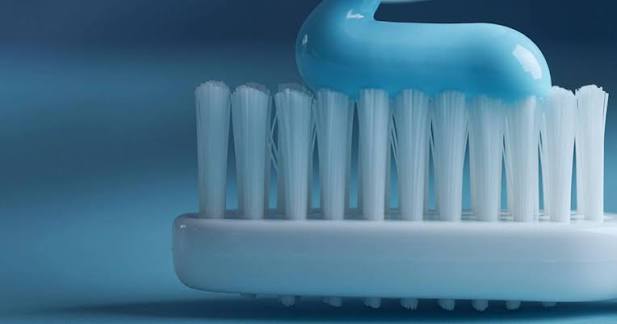
In May 2026, Lead Safe Mama, an advocacy organization focused on consumer safety, updated their report about testing results that sent shockwaves through the oral care industry last year. The analysis of 51 popular toothpaste brands revealed a troubling pattern: 90% contained lead, 65% contained arsenic, 47% contained mercury and 35% contained cadmium. Only six products tested clean across all four heavy metals.
The investigation, led by environmental activist Tamara Rubin, began 12 years ago when she noticed a common toothpaste brand among families whose children had been exposed to heavy metals. Her work has already prompted six product recalls.
How heavy metals enter toothpaste
The contamination originates in raw materials used during manufacturing. Rubin's research identified three primary culprits:
Hydroxyapatite – extracted from cow bone and added to help teeth absorb calcium
Calcium carbonate – added to remove stains from teeth
Bentonite clay – used as a cleaning agent
Products containing bentonite clay showed the highest heavy metal levels. When tested individually, hydroxyapatite and calcium carbonate also showed concerning lead concentrations. The systematic review published in Frontiers in Dental Medicine analyzed 11 studies from Asia, Europe and Africa, confirming this pattern is global. In some cases, lead levels reached 6,313 parts per billion—far exceeding the U.S. Food and Drug Administration's limit of 20 parts per million.
Health risks: Cellular damage and chronic disease
Heavy metals disrupt bodily functions at the cellular level. Cadmium interferes with kidney filtration systems and has been linked to lung and pancreatic damage. Even low-level exposure increases osteoporosis risk and causes mitochondrial dysfunction.
Lead targets multiple vital functions. Symptoms of exposure include appetite loss, weight loss, vomiting, constipation, anemia, kidney failure and irritability. The federal government acknowledges that no level of lead exposure is safe, yet current regulations allow concentrations that violate Washington state's stricter limits.
Industry resistance and consumer options
Despite the evidence, toothpaste manufacturers have not committed to removing heavy metals. Some companies have argued that lead occurs naturally in the environment and is impossible to avoid. Others sent Rubin cease-and-desist letters, which she published on her blog.
The researchers who conducted the systematic review called for "specific guidelines on the limits for heavy metals in toothpastes, with a clear distinction between essential and nonessential metals." They emphasized the need for stringent quality assurance processes.