










Breaking News
 The AI Bird-Flu Scenario They Just Published
 Japan's first robot ambulance works the 9-1-1 lines for humanoids
 Cheap smartphone add-on pinpoints hidden cameras to shut down spies
 The $600 Tank That Beats a $10,000 Powerwall
Top Tech News
 Terrifying AI Behavior Even Its Creators Couldn't Explain
 WW3 Near-Miss? AI Hallucinated Nuclear Weapons Components Aboard Chinese Vessel Bound For Iran
 Stripe Is Building the Toll Road for the Machine Economy
 Toyota Dakar hopeful swaps twin-turbo V6 for hydrogen fuel cells
 4-min turbo-inflatable cubic camp castle is now available in the USA
 Researchers Used Claude To Hack OpenAI Employee Accounts
 Chinese Scientists Develop New Oil Refining Method That Cuts Energy Use by 90%
 World's smallest CT scanner fits in the palm of your hand
 The Tesla Roadster will blow people's minds
 Peter Thiel-Funded Company Anduril to Triple the Number of Autonomous Surveillance Towers...



Cancer Is a Parasite - Dr. William F. Supple Jr with Dr Sherri Tenpenny (May 14 @ 5 pm MDT)
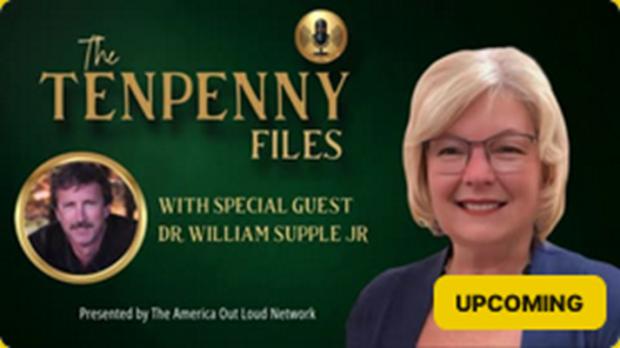
Cancer treatment became a trillion-dollar industry while one class of low-cost drugs sat buried in the medical literature for decades. Dr. William F. Supple joins Dr. Sherri Tenpenny to explain why anti-parasitic drugs like fenbendazole may be targeting cancer through mechanisms the public was never told about. His book Cancer Is a Parasite: Kill It with a Safe Over-the-Counter Anti-Parasitic Fenbendazole grew out of a personal crisis after his 83-year-old mother-in-law was sent home with terminal metastatic breast cancer and no realistic hope of survival.
What happened next forced him into years of research connecting parasites, chronic inflammation, cancer stem cells, tumor metabolism, and suppressed oncology science. Her tumors reportedly disappeared after using fenbendazole alone. Hospice was canceled. Her oncologist had no explanation. Four years later, she remains alive.
This conversation moves directly into the biological overlap between parasites and cancer cells. Dr. Supple explains why cancer may behave less like a random genetic accident and more like a parasitic process that hijacks the body's immune defenses, metabolic pathways, biological clocks, and survival systems. He breaks down why certain anti-parasitic drugs appear capable of damaging cancer cells without producing the catastrophic side effects associated with chemotherapy.
The discussion also explores why more than 120 countries routinely deworm their populations while wealthier nations do not, despite dramatically different cancer rates between those groups. Dr. Supple explains how chronic parasitic burden may contribute to chronic inflammation, immune exhaustion, and long-term cancer risk. He also addresses why researchers studying fenbendazole have faced suppression, retractions, and resistance despite growing case reports from terminal cancer patients.
Dr. Tenpenny and Dr. Supple discuss ivermectin, mebendazole, cancer stem cells, recurrence after chemotherapy, topical cancer applications, veterinary parallels, and the growing underground movement of patients self-treating after conventional medicine failed them.
The interview opens the door to a much larger question that extends far beyond one drug. Dr. Supple's book contains the deeper scientific framework, historical research, and biological mechanisms that could not fully fit into a single conversation. The implications reach into oncology, public health, chronic inflammation, environmental burden, and the future of cancer treatment itself.
This episode will challenge what you think cancer is.
Get William's book here: Cancer Is a Parasite: Kill It with a Safe Over-the-Counter Anti-Parasitic Fenbendazole