










Breaking News
 The AI Bird-Flu Scenario They Just Published
 Japan's first robot ambulance works the 9-1-1 lines for humanoids
 Cheap smartphone add-on pinpoints hidden cameras to shut down spies
 The $600 Tank That Beats a $10,000 Powerwall
Top Tech News
 Terrifying AI Behavior Even Its Creators Couldn't Explain
 WW3 Near-Miss? AI Hallucinated Nuclear Weapons Components Aboard Chinese Vessel Bound For Iran
 Stripe Is Building the Toll Road for the Machine Economy
 Toyota Dakar hopeful swaps twin-turbo V6 for hydrogen fuel cells
 4-min turbo-inflatable cubic camp castle is now available in the USA
 Researchers Used Claude To Hack OpenAI Employee Accounts
 Chinese Scientists Develop New Oil Refining Method That Cuts Energy Use by 90%
 World's smallest CT scanner fits in the palm of your hand
 The Tesla Roadster will blow people's minds
 Peter Thiel-Funded Company Anduril to Triple the Number of Autonomous Surveillance Towers...



Master the art of food storage: Build a survival pantry that lasts
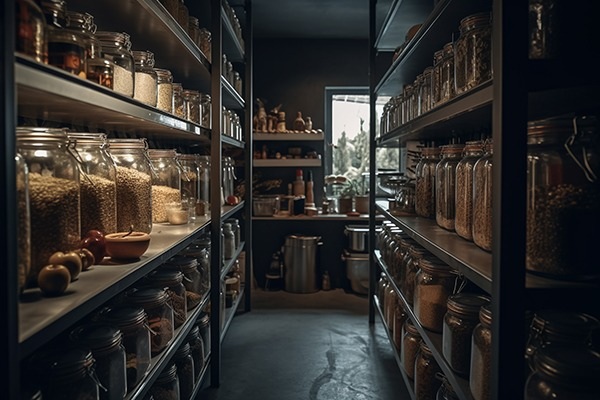
• Integrate food storage into regular life through small, manageable actions like setting aside money weekly or shopping during sales, making preparedness sustainable and less overwhelming.
• Store dry goods like rice, beans and pasta in airtight containers, ideally using a two-layer method (Mylar bags with oxygen absorbers inside sealed containers) and keep them in a cool, dark and dry place to maximize shelf life.
• Use the oldest items first and replace them every six to 12 months to keep supplies fresh, prevent waste and familiarize your family with the stored foods.
• When buying in bulk, especially #10 cans, calculate the price per ounce to get the best value and build your reserves economically.
• Ensure you have backup tools like a manual can opener and alternative cooking methods (e.g., butane stove or solar oven) so you can access and prepare food even during power outages.
In an unpredictable world, the wisdom of preparing for the unexpected has moved from the fringe to the forefront of many families' minds. The goal is no longer just to have food, but to have a resilient, reliable and nourishing stockpile that can sustain you through prolonged disruptions.
For veteran preppers, the key to true security lies not in a frantic last-minute scramble, but in the methodical, intelligent storage of supplies long before they are ever needed.
The cornerstone of this preparedness is a well-maintained food stockpile. The benefits extend far beyond mere survival; a well-planned pantry reduces stress, preserves normalcy and provides the empowering certainty that you can care for your loved ones no matter what happens.