










Breaking News
 We Need Our Guns
 Running out of interceptor missiles, will Israel turn to nukes?
 Martin Armstrong: Expect 'Dragged-Out' War in Iran, Much Higher Oil Prices & $10,000 Gold
 Donald Trump's War and the Loss of American Liberty
Top Tech News
 Musk Whips Out 'Macrohard' In Disruptive Tesla-xAI Bid To Shaft Software Companies
 This Bonkers Folding X-Plane Is One Step Closer to Hitting the Skies
 Smart 2-in-1 digital microscope goes desktop or handheld as needed
 Human Brain Cells Merge With Silica To Play DOOM
 Will Yann LeCun Provide The Next Breakthrough In AI?
 Human Brain Cells Merge With Silica To Play DOOM
 Solar And Storage Could Reshape Rural Electricity Markets
 With World Seemingly At War, DARPA Finds Time To Unveil The X-76
 Renewable Water From Air.
 The world's first diesel plug-in hybrid pickup truck is here



Iranian Foreign Minister Responds to Kharg Island Attack, Says Strait of Hormuz is Open to All...
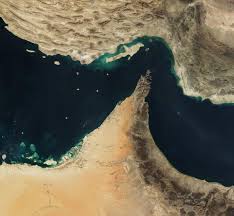
Iranian Foreign Minister Abbas Araghchi told MS Now on Saturday that the Strait of Hormuz is open to all countries except for the US and Israel, following threats from President Trump to form a coalition to send warships to the Strait and ensure the safe passage of oil.
This comes after the US executed the "most powerful bombing raids" in the history of the Middle East on Iran's critical oil hub of Kharg Island in response to Iran's threats and targeting of ships in the Strait of Hormuz, one of the world's most important oil arteries.
Aragchi told MSNow's Ayman Mohyeldin that Iran plans to attack American energy infrastructure if the US targets its oil and energy infrastructure. He further threatened neighboring Gulf countries, from which missiles are being launched. Trump has threatened to attack Iran's energy infrastructure but suggested he is saving those targets "for later."
Meanwhile, Israel has attacked Iranian oil depots, leading to shock from American officials. War Secretary Pete Hegseth recently told reporters that Israel was pursuing "different objectives" in this attack.
When asked about the Strait of Hormuz's closure, Aragchi denied that it was ever closed, stating, "It is only closed to the tankers and ships belong to the– to our enemies, to those who are attacking us and their allies."
"the Strait is not closed, but it is only closed to America and Israeli, you know, ships and tankers and not to others," he added.
Mohyeldin: Let me start by asking you about what has happened on Kharg Island, and what is Iran's response to these strikes?
Araghchi: Well, thank you so much for having me. I think our armed forces have already answered that they would retaliate if our oil and energy infrastructure are attacked, and they will attack any energy infrastructure in the region, which belongs to an American company or an American American company is a shareholder. So, the reaction would be clear. Last night, they have attacked Kharg Island and Abu Musa Island with, you know, the Artillery Rocket System, Himars, as they call it, which is a low range rockets, and they have done it from the soil of our neighbors. And this is crystal clear that now they are using the territory of our neighbors to attack us by this kind of, you know, rockets.
Mohyeldin: Which neighbors?
Araghchi: Well, the last night attacks were tracked by our forces, and now it is clear that they are fired from UAE, from two locations in the in the UAE, from in Ras Al Khaimah and from a location very close to the city of Dubai, and it is very, you know, dangerous that they use highly populated areas to launch, you know, rockets against us. We will certainly retaliate, but it would, but we try to be careful not to attack any populated area.