










Breaking News
 War, Oil And Debt: Which Threats To The US Economy Are Legit?
 ISIS Attacker Killed by ROTC Students + GDP Crashes to 0.7% + Senate Bans the Digital Dollar
 The Case for Gold: Why It Matters Now | Philip Patrick
 "This will change HUMANITY!" Intel agencies using nanotech to control our thoughts
Top Tech News
 Musk Whips Out 'Macrohard' In Disruptive Tesla-xAI Bid To Shaft Software Companies
 This Bonkers Folding X-Plane Is One Step Closer to Hitting the Skies
 Smart 2-in-1 digital microscope goes desktop or handheld as needed
 Human Brain Cells Merge With Silica To Play DOOM
 Will Yann LeCun Provide The Next Breakthrough In AI?
 Human Brain Cells Merge With Silica To Play DOOM
 Solar And Storage Could Reshape Rural Electricity Markets
 With World Seemingly At War, DARPA Finds Time To Unveil The X-76
 Renewable Water From Air.
 The world's first diesel plug-in hybrid pickup truck is here



Cannabis Compounds Can Cut Cholesterol and Lower Risk of Fatty Liver Disease...
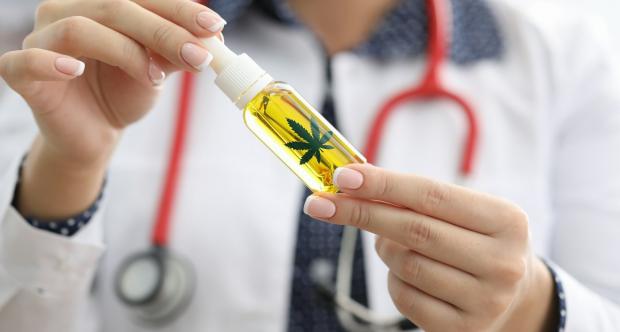
Naturally occurring chemicals found in cannabis have been shown to reduce the risk of potentially deadly fatty liver disease, according to new research.
The compounds can "significantly" cut liver fat and cholesterol levels and improve the body's ability to efficiently process energy, said scientists.
The study reveals that two key cannabis compounds, Cannabidiol (CBD) and Cannabigerol (CBG)—which are not psychoactive and do not cause a high—work by creating a backup energy reserve in the liver and restoring the activity of cellular 'cleaning crews" to break down harmful waste.
The findings, published in the British Journal of Pharmacology, highlight a new, plant-based path for treating the world's most common chronic liver disorder.
Metabolic dysfunction-associated steatotic liver disease (MASLD), is currently the world's most common chronic liver disorder, affecting around one-in-three adults and is closely linked to obesity, high blood pressure, and insulin resistance.
While lifestyle factors such as diet and exercise are important, they can be hard to maintain, and there are few approved medicines currently available for the condition.
His team used advanced tools to show that CBD and CBG do more than just reduce fat. They found the compounds actually help the liver function better internally— through a unique process of 'metabolic remodeling'.
"One of the most important findings was the impact on the liver's energy reserves," said study leader Professor Joseph Tam, in a media release.
The researchers found that CBD and CBG restore the activity of cathepsins – enzymes that act like a "cleaning crew" within the cell's recycling centers, known as lysosomes.
"By getting this cleaning crew back to work, the liver is better able to break down and clear out harmful fats and waste."
"These compounds increase levels of phosphocreatine, which acts like a backup battery to help the liver stay healthy under the stress caused by a high-fat diet.
"This is a new discovery, as the liver does not usually rely heavily on this specific energy system."
"Our findings identify a new mechanism by which CBD and CBG enhance hepatic energy and lysosomal function," said Prof. Tam, at the Hebrew University of Jerusalem.
"This dual metabolic remodeling contributes to improved liver lipid handling and highlights these compounds as promising therapeutic agents for MASLD."