










Breaking News
 War, Oil And Debt: Which Threats To The US Economy Are Legit?
 ISIS Attacker Killed by ROTC Students + GDP Crashes to 0.7% + Senate Bans the Digital Dollar
 The Case for Gold: Why It Matters Now | Philip Patrick
 "This will change HUMANITY!" Intel agencies using nanotech to control our thoughts
Top Tech News
 Musk Whips Out 'Macrohard' In Disruptive Tesla-xAI Bid To Shaft Software Companies
 This Bonkers Folding X-Plane Is One Step Closer to Hitting the Skies
 Smart 2-in-1 digital microscope goes desktop or handheld as needed
 Human Brain Cells Merge With Silica To Play DOOM
 Will Yann LeCun Provide The Next Breakthrough In AI?
 Human Brain Cells Merge With Silica To Play DOOM
 Solar And Storage Could Reshape Rural Electricity Markets
 With World Seemingly At War, DARPA Finds Time To Unveil The X-76
 Renewable Water From Air.
 The world's first diesel plug-in hybrid pickup truck is here



The 'Miracle Berry' Helps Chemo Patients Remove Metallic Taste So They Can Enjoy Food Again
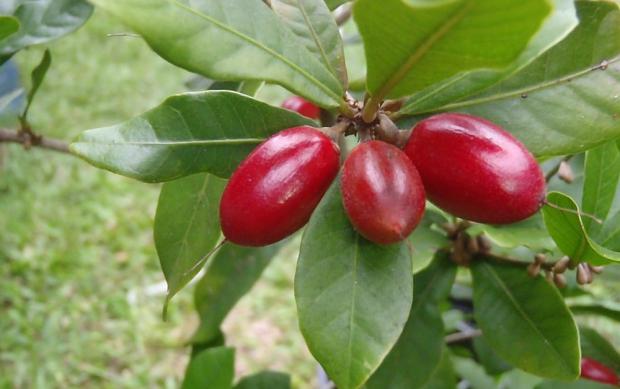
"Miracle berry" is known as àgbáyun in its West African home. Scientifically, it's designated Synsepalum dulcificum, with 'dulcificum' referring to its unique ability to turn sour foods sweet.
So iconic and striking is the effect it has on those who consume it, the active ingredient inside the plant's fruit is a glycoprotein that's literally called miraculin.
Studies investigating this compound report that at low pH (resulting from ingestion of sour foods) miraculin binds proteins and becomes able to activate the sweet receptors, resulting in the immediate perception of sweet taste.
What does this have to do with cancer? Proper nutrition is important to any cancer battle, but this can often become difficult because of something called "chemo mouth."
"What patients report with chemotherapy is that they may develop a bothersome taste that could be described as metallic, rotten food," said Dr. Mike Cusnir, an oncologist at Mount Sinai Medical Center who has led several initial studies into using miracle berries to make food more palatable for chemotherapy patients.
Dr. Cusnir told CBS News Miami that the 'miracle' in miracle berries doesn't have anything to do with cancer, nor any method of preventing the damage chemotherapy does to the body. What it can do is restore one of the great joys of life—eating—to those who've lost it to chemotherapy drugs.
Julie Ascen has been battling lymphoma for a year, and told CBS that she considers the miracle berry to be just that: a miracle.
"It is one of those miracles that, if you have this disease, you want to live your life and not have it control you. And this lets it not control me; I can control myself."
The miraculin glycoprotein removes the chemo mouth sensation for 30-40 minutes, allowing patients to eat a meal and enjoy the flavors again.
Florida, says one miracle berry grower, is the only place in the US where this fruit grows well, as it enjoys the hot and humid conditions of the plant's native West African forest home.
Hardly reserved for cancer patients, miracle berry is typically sold in freeze dried form, as the miraculin degrades quickly after the fruit's separation from the plant. You can even buy it on Amazon. It makes for a fantastic party trick—eat one, then eat a lemon, and watch as everyone uniformly agrees that it tastes like an orange.