










Breaking News
 The AI Bird-Flu Scenario They Just Published
 Japan's first robot ambulance works the 9-1-1 lines for humanoids
 Cheap smartphone add-on pinpoints hidden cameras to shut down spies
 The $600 Tank That Beats a $10,000 Powerwall
Top Tech News
 Terrifying AI Behavior Even Its Creators Couldn't Explain
 WW3 Near-Miss? AI Hallucinated Nuclear Weapons Components Aboard Chinese Vessel Bound For Iran
 Stripe Is Building the Toll Road for the Machine Economy
 Toyota Dakar hopeful swaps twin-turbo V6 for hydrogen fuel cells
 4-min turbo-inflatable cubic camp castle is now available in the USA
 Researchers Used Claude To Hack OpenAI Employee Accounts
 Chinese Scientists Develop New Oil Refining Method That Cuts Energy Use by 90%
 World's smallest CT scanner fits in the palm of your hand
 The Tesla Roadster will blow people's minds
 Peter Thiel-Funded Company Anduril to Triple the Number of Autonomous Surveillance Towers...



Most people are eating spinach wrong, and it could be undermining its health benefits
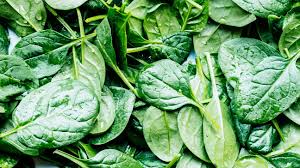
Published in the journal Pharmacological Research-Natural Products, this comprehensive analysis confirms spinach's status as a nutritional powerhouse while delivering a practical blueprint for maximizing its profound health benefits. This is not just about eating your vegetables; it is about strategically leveraging food as medicine.
The review synthesizes decades of research on Spinacia oleracea, identifying it as exceptionally dense in essential vitamins and minerals. It is loaded with vitamins A, C, and K, folate, iron, magnesium, and calcium. More importantly, scientists highlight its rich array of bioactive compounds like flavonoids, carotenoids, and phenolic compounds. These are not mere nutrients; they are agents with clinically supported antioxidant, anti-inflammatory, anti-cancer, neuroprotective, and cardiovascular effects.
The morning advantage most people never use
Here is the critical insight that mainstream health advice often misses: your body does not absorb nutrients uniformly. Our circadian rhythm dictates the process. The key is a liver hormone called hepcidin, the body's iron gatekeeper. Hepcidin levels are lowest in the morning after an overnight fast and rise throughout the day. A 2023 study in the American Journal of Hematology found iron absorption was 37% lower in the afternoon compared to the morning due to this rhythm. For anyone, especially women, battling low iron or fatigue, eating spinach in the morning is a game-changer.
What you pair with spinach matters just as much
Spinach contains oxalates, which can inhibit the absorption of its own iron and calcium. Nature provides the perfect countermeasure: vitamin C. Research shows pairing spinach with a vitamin C source, like citrus juice or bell peppers, can boost iron absorption by roughly 30%. Conversely, common habits can destroy this benefit. The same 2023 study found coffee consumed with a meal reduces iron absorption by 54%, and coffee with a full breakfast slashes it by 66%, even with vitamin C present. The lesson is simple: eat your spinach before your coffee.
To harness the full spectrum of benefits, rotation is key. Raw spinach delivers more vitamin C and folate. A Harvard Health citation notes that "the best way to get the most lutein from spinach is to not cook it," and chopping or blending it releases even more. However, light cooking, like steaming, increases the bioavailability of fat-soluble carotenoids like beta-carotene and lutein, especially when paired with a healthy fat like olive oil. Alternating between raw and lightly cooked preparations ensures you get everything spinach offers.
The benefits of this strategic approach are immense. Spinach is rich in lutein and zeaxanthin, carotenoids that protect the eyes from harmful blue light and may reduce the risk of age-related macular degeneration. Compounds in spinach have shown potential to slow cancer growth. Its nitrates help improve blood flow and reduce blood pressure. The magnesium it contains supports muscle, nerve, and heart function.
It is crucial to acknowledge that spinach is not suitable for everyone. It is high in oxalates, which can contribute to kidney stones in susceptible individuals. Its high vitamin K1 content, vital for blood clotting, means those on blood-thinning medications like warfarin must consume it consistently and consult their doctor. This is not a demonization but a call for informed, personalized nutrition.
The historical context makes this research even more compelling. For generations, spinach was praised simplistically for its iron content, famously linked to Popeye's strength. Modern science now moves us beyond folklore into a nuanced understanding of chrononutrition and food synergy. This is about working with your body's innate intelligence, not just chewing through a serving.
By understanding the simple science of timing and pairing, you can transform a basic green into a potent daily defense against oxidative stress, inflammation, and chronic disease. That bag in your fridge is not just salad fixings; it is a toolkit for resilience, waiting for you to use it correctly.