










Breaking News
 No Benefits: Why Most Americans Hate The Idea Of AI Data Centers
 Are America's Youth Really Embracing Socialism?
 Are We About to See a Foreclosure WAVE Hit the US Housing Market?
 They Rolled Out the Relics - Then Cut the Working-Lands Money
Top Tech News
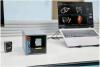 World's smallest CT scanner fits in the palm of your hand
 The Tesla Roadster will blow people's minds
 Peter Thiel-Funded Company Anduril to Triple the Number of Autonomous Surveillance Towers...
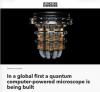 Quantum computing may soon become part of the microscope itself.
 Volkswagen Just Unveiled The Most Efficient EV Ever Tested
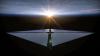 NASA Super Light Solar Sail Project Will Be 12-40 Times Lighter and Faster
 Space Telescope Interferometer to Image Exoplanet Continents
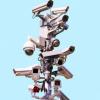 Twenty-five years of "temporary": how 9/11 built a surveillance state Americans never vote
 I'll Never Buy Another WALMART Battery!
 Shoei GT-Air 3 Smart helmet drops with built-in AR for $1,500



Tetris founder's family village is collapse-proof, remote offgrid-topia
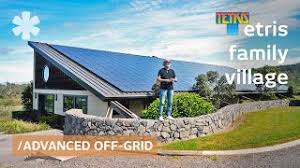
At his main home, Rogers tends an abundant edible garden with bananas, avocados, macadamia nuts, coffee, vegetables, and chickens. Nearby, he cares for an orchard of native plants, harvesting seeds and storing them in a seed bank on his property.
Thanks to solar-powered refrigeration, the seed bank also serves as a resource for West Hawaii seed savers working to preserve local plant varieties.
Across the property, Rogers showed us the incarnation of his childhood dream—a James Bond-style personal testing lab. The Blue Planet Energy Lab is a sleek, solar-powered structure designed to test cutting-edge technologies.
It generates hydrogen fuel, stores excess power in high-capacity batteries, and serves as a model for clean, self-sufficient living. For Rogers, it's more than a passion project—it's a way to use his success to help build a better future for the generations that follow.