










Breaking News
 The AI Bird-Flu Scenario They Just Published
 Japan's first robot ambulance works the 9-1-1 lines for humanoids
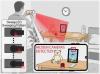 Cheap smartphone add-on pinpoints hidden cameras to shut down spies
 The $600 Tank That Beats a $10,000 Powerwall
Top Tech News
 BEYOND THE MOON: NASA plans a nuclear-powered fleet to push DEEPER into space
 Big Oil Backs Mazama's $135 Million Bet On Superhot Geothermal
 Quantum compass takes flight on Northrop's Lumberjack drone
 Terrifying AI Behavior Even Its Creators Couldn't Explain
 WW3 Near-Miss? AI Hallucinated Nuclear Weapons Components Aboard Chinese Vessel Bound For Iran
 Stripe Is Building the Toll Road for the Machine Economy
 Toyota Dakar hopeful swaps twin-turbo V6 for hydrogen fuel cells
 4-min turbo-inflatable cubic camp castle is now available in the USA
 Researchers Used Claude To Hack OpenAI Employee Accounts
 Chinese Scientists Develop New Oil Refining Method That Cuts Energy Use by 90%



Your Legs Are Failing First - Here's Why

Leg strength is one of the best indicators of longevity. Find out how to increase leg strength and longevity with a healthy lifestyle and diet. Discover a simple leg exercise that can make a massive difference in circulation and lower body strength!
0:00 Introduction: Leg strength for longevity
0:37 Leg problems that affect longevity
10:41 Type 2 diabetes
13:50 The Soleus push-up
16:40 Sitting-rising test and longevity
19:43 More tips for strong legs
Did you know that your legs can give early warning signs about underlying health conditions? The older you are, the more relevant this becomes! The following conditions that affect the legs can provide insight into your longevity and overall health.
1. Peripheral neuropathy
These symptoms of numbness, pain, tingling, or burning in the bottom of the feet or fingertips are often associated with diabetes. High levels of sugar in the bloodstream destroy the vascular and nervous systems.
2. Ankle and foot edema
Puffy legs and ankles, or pitting edema, often signify a serious problem with circulation involving the kidney, liver, or heart.
3. Restless legs syndrome
This often occurs at night and is related to the overconsumption of sugar. Interference with your sleep can decrease longevity. Dietary changes, vitamin B1, and magnesium may help improve this condition.
4. Deep vein thrombosis
Clots in the legs can break off and travel to the lungs. Around 90% to 95% percent of heart attacks are caused by clots.
5. Peripheral artery disease
This type of atherosclerosis goes beyond the arteries of the heart and is caused by damage to the endothelial layer of the arteries.
6. Chronic venous insufficiency
This is associated with a sedentary lifestyle and puts increased pressure on the heart.
7. Sarcopenia
Age-related muscle loss is one of the top predictors of mortality. Protein and exercise are vital, especially as you age.
Type 2 diabetes and blood sugar issues cause problems with the inside of the arteries, which often show up in your legs first. A low-carb diet and intermittent fasting can help reverse these issues, but this is often ignored by doctors. Benfotiamine and alpha-lipoic acid can also help with associated peripheral neuropathy.
The soleus push-up can significantly improve your blood sugar and circulation, and the sitting-standing test is an excellent indicator of hip and core strength.
Potassium, a low-carb diet, and the Soleus Push-up can all help improve edema and reduce excess water weight. Increasing nitric oxide supports the inner walls of the arteries, and consistent exercise and a sufficient amount of sleep can help strengthen the legs and increase longevity.