










Breaking News
 The AI Bird-Flu Scenario They Just Published
 Japan's first robot ambulance works the 9-1-1 lines for humanoids
 Cheap smartphone add-on pinpoints hidden cameras to shut down spies
 The $600 Tank That Beats a $10,000 Powerwall
Top Tech News
 BEYOND THE MOON: NASA plans a nuclear-powered fleet to push DEEPER into space
 Big Oil Backs Mazama's $135 Million Bet On Superhot Geothermal
 Quantum compass takes flight on Northrop's Lumberjack drone
 Terrifying AI Behavior Even Its Creators Couldn't Explain
 WW3 Near-Miss? AI Hallucinated Nuclear Weapons Components Aboard Chinese Vessel Bound For Iran
 Stripe Is Building the Toll Road for the Machine Economy
 Toyota Dakar hopeful swaps twin-turbo V6 for hydrogen fuel cells
 4-min turbo-inflatable cubic camp castle is now available in the USA
 Researchers Used Claude To Hack OpenAI Employee Accounts
 Chinese Scientists Develop New Oil Refining Method That Cuts Energy Use by 90%



Virtual Fencing May Allow Thousands More Cattle to Be Ranched on Land Rather Than in Barns
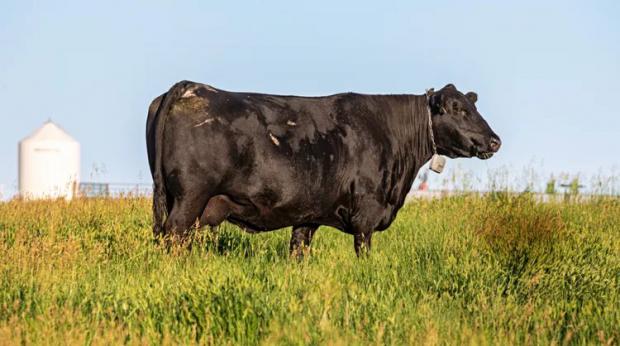
The virtual system promises huge benefit for farmers, consumers, and wildlife, as more cows can graze on nutritious grass and fewer have to sit in the feedlot.
North America lost several million of its native grazers in the 19th century, and much of the prairie land that's left which hasn't become farmland is missing the ecosystem services the bison herds once provided.
By not having to worry about building fences or overwatching them with cowboys on horseback, larger herds can live semi-natural existences on North American land, helping to enrich the soil and disperse native seeds all with substantially lower labor and material costs for the rancher.
That's the promise at least; the technology is just emerging in the ranching industry. But what do early adopters have to say about it?