










Breaking News
 The AI Bird-Flu Scenario They Just Published
 Japan's first robot ambulance works the 9-1-1 lines for humanoids
 Cheap smartphone add-on pinpoints hidden cameras to shut down spies
 The $600 Tank That Beats a $10,000 Powerwall
Top Tech News
 BEYOND THE MOON: NASA plans a nuclear-powered fleet to push DEEPER into space
 Big Oil Backs Mazama's $135 Million Bet On Superhot Geothermal
 Quantum compass takes flight on Northrop's Lumberjack drone
 Terrifying AI Behavior Even Its Creators Couldn't Explain
 WW3 Near-Miss? AI Hallucinated Nuclear Weapons Components Aboard Chinese Vessel Bound For Iran
 Stripe Is Building the Toll Road for the Machine Economy
 Toyota Dakar hopeful swaps twin-turbo V6 for hydrogen fuel cells
 4-min turbo-inflatable cubic camp castle is now available in the USA
 Researchers Used Claude To Hack OpenAI Employee Accounts
 Chinese Scientists Develop New Oil Refining Method That Cuts Energy Use by 90%



The brain's role in link between salt and high blood pressure
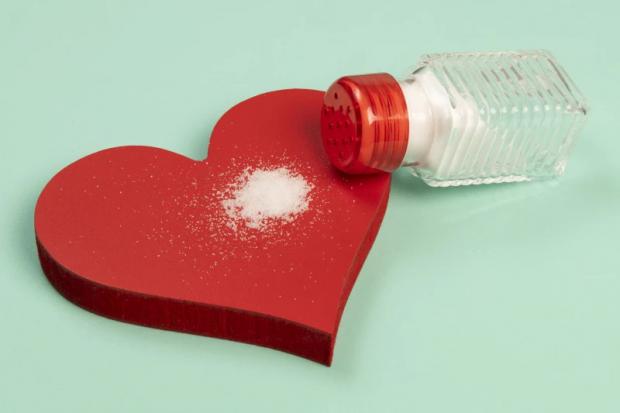
Astrocytes, star-shaped glial cells, can reshape themselves in response to various conditions, including high blood pressure. But the "how" behind this shape-shifting has remained a mystery.
To crack the code, McGill University researchers turned to a classic model: rats fed a high-salt diet. In these animals, astrocytes in a key brain region, the hypothalamus, lose some of their branching structures. This change isn't just cosmetic. It's part of a larger story where salt sparks brain inflammation, which in turn raises blood pressure.
This association flips the script on hypertension. Long blamed on the kidneys and blood vessels, it now seems the brain might be a silent instigator, especially in cases where standard treatments fail.