










Breaking News
 The AI Bird-Flu Scenario They Just Published
 Japan's first robot ambulance works the 9-1-1 lines for humanoids
 Cheap smartphone add-on pinpoints hidden cameras to shut down spies
 The $600 Tank That Beats a $10,000 Powerwall
Top Tech News
 BEYOND THE MOON: NASA plans a nuclear-powered fleet to push DEEPER into space
 Big Oil Backs Mazama's $135 Million Bet On Superhot Geothermal
 Quantum compass takes flight on Northrop's Lumberjack drone
 Terrifying AI Behavior Even Its Creators Couldn't Explain
 WW3 Near-Miss? AI Hallucinated Nuclear Weapons Components Aboard Chinese Vessel Bound For Iran
 Stripe Is Building the Toll Road for the Machine Economy
 Toyota Dakar hopeful swaps twin-turbo V6 for hydrogen fuel cells
 4-min turbo-inflatable cubic camp castle is now available in the USA
 Researchers Used Claude To Hack OpenAI Employee Accounts
 Chinese Scientists Develop New Oil Refining Method That Cuts Energy Use by 90%



BROCCOLI more effective than surgery, chemo and radiation at beating CANCER,...
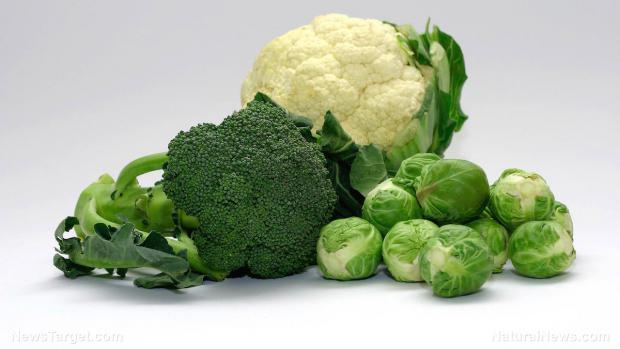
Worried about colon cancer? There are natural remedies, including whole organic food, to prevent it from ever developing. A groundbreaking study has confirmed that eating cruciferous vegetables—broccoli, cabbage, cauliflower, Brussels sprouts, kale, and bok choy—significantly lowers the risk of colon cancer. By analyzing data from 17 large-scale studies involving over 639,000 participants and nearly 98,000 colon cancer cases, researchers found that those who regularly consumed these vegetables reduced their risk of developing colon cancer by around 20%.
• A large analysis of 17 studies with over 639,000 participants found that eating cruciferous vegetables like broccoli, cabbage, cauliflower, and Brussels sprouts reduces colon cancer risk by 20%.
• Researchers identified the "sweet spot" for protection as 20–40 grams daily (about half a cup of broccoli), with benefits plateauing beyond that amount.
• The protective effects are linked to compounds like sulforaphane, which block cancer-causing enzymes, reactivate tumor suppressor genes, and disrupt cancer cell growth.
• Geography and cooking methods matter—protective effects were stronger in North America and Asia, where quick steaming or stir-frying preserves bioactive compounds, compared to Europe and Australia.
Broccoli Cuts Colon Cancer Risk by 20%, New Study Reveals Sweet Spot
Colon cancer remains a major global health concern, killing over 900,000 people annually and ranking as the second leading cause of cancer-related deaths worldwide. While genetic and age-related factors influence risk, diet is one of the most powerful, controllable contributors. This new research offers some of the strongest evidence to date that food choices directly impact cancer outcomes.