










Breaking News
 The AI Bird-Flu Scenario They Just Published
 Japan's first robot ambulance works the 9-1-1 lines for humanoids
 Cheap smartphone add-on pinpoints hidden cameras to shut down spies
 The $600 Tank That Beats a $10,000 Powerwall
Top Tech News
 BEYOND THE MOON: NASA plans a nuclear-powered fleet to push DEEPER into space
 Big Oil Backs Mazama's $135 Million Bet On Superhot Geothermal
 Quantum compass takes flight on Northrop's Lumberjack drone
 Terrifying AI Behavior Even Its Creators Couldn't Explain
 WW3 Near-Miss? AI Hallucinated Nuclear Weapons Components Aboard Chinese Vessel Bound For Iran
 Stripe Is Building the Toll Road for the Machine Economy
 Toyota Dakar hopeful swaps twin-turbo V6 for hydrogen fuel cells
 4-min turbo-inflatable cubic camp castle is now available in the USA
 Researchers Used Claude To Hack OpenAI Employee Accounts
 Chinese Scientists Develop New Oil Refining Method That Cuts Energy Use by 90%



New hope for healthy eyes: The amino acid connection
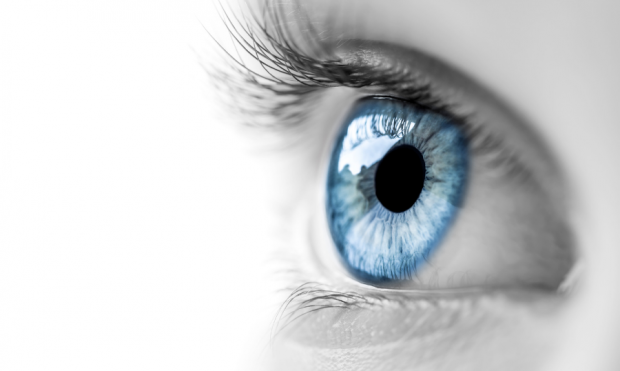
At the back of your eye, the retina converts the visual information coming in through your cornea into electrical signals that are shuttled to the brain through the optic nerve. There they are interpreted in the visual cortex and translated into objects we can recognize. The retina consists of a series of photoreceptor cells known commonly as rods and cones. Photoreceptors are particularly demanding cells, requiring a lot of energy to function and maintain themselves. When they die off either through age or disease, the retina begins to thin and vision loss and eventual blindness can occur.
Traditionally, researchers have focused on the way in which photoreceptors use glucose for energy, such as the ACOORD Eye Study that looked at how the intense control of glucose and blood pressure could affect retinopathy in those with type 2 diabetes.
But because retinal cells need so much metabolic support, researchers at the University of Michigan decided to see if there were other compounds involved in their health. They turned to the amino acid glutamine, because it is the most abundant amino acid in the blood. Glutamine is naturally synthesized in the body and can also be consumed from all animal protein sources as well as in nuts, grains, beans and vegetables including spinach and cabbage (and yes, there's actually some in carrots, too).
To test glutamine's role in vision health, the researchers used genetically modified mice that lacked the enzyme glutaminase, which converts glutamine into the fellow amino acid and neurotransmitter, glutamate. Sure enough, compared to a control group whose glutaminase was left intact, the test mice saw a rapid thinning of their retinas corresponding to a loss of photoreceptors.
In digging deeper, the researchers determined that reduced glutamate harmed retinal cells in two ways.
First, along with a reduction in the amino acid aspartate, which was also induced by limiting glutaminase, the cells were unable to build the proteins they needed to function correctly. Second, the retinal cells in the test mice experienced extended periods undergoing something known as the integrated stress response, which is a process cells use to maintain homeostasis when placed under various stressors. The integrated stress response has been shown to lead to cell death if it is activated for too long, as was the case in the study. When this stress response was blocked, the retinal thickness was restored.