










Breaking News
 The AI Bird-Flu Scenario They Just Published
 Japan's first robot ambulance works the 9-1-1 lines for humanoids
 Cheap smartphone add-on pinpoints hidden cameras to shut down spies
 The $600 Tank That Beats a $10,000 Powerwall
Top Tech News
 BEYOND THE MOON: NASA plans a nuclear-powered fleet to push DEEPER into space
 Big Oil Backs Mazama's $135 Million Bet On Superhot Geothermal
 Quantum compass takes flight on Northrop's Lumberjack drone
 Terrifying AI Behavior Even Its Creators Couldn't Explain
 WW3 Near-Miss? AI Hallucinated Nuclear Weapons Components Aboard Chinese Vessel Bound For Iran
 Stripe Is Building the Toll Road for the Machine Economy
 Toyota Dakar hopeful swaps twin-turbo V6 for hydrogen fuel cells
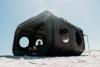 4-min turbo-inflatable cubic camp castle is now available in the USA
 Researchers Used Claude To Hack OpenAI Employee Accounts
 Chinese Scientists Develop New Oil Refining Method That Cuts Energy Use by 90%



Charlotte Gerson and Dr. Morton Walker explore the Gerson Therapy, a natural path to healing...
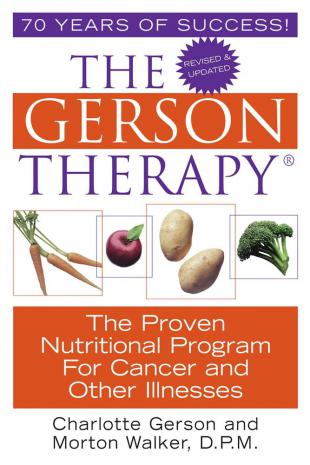
In an era where conventional medicine dominates, "The Gerson Therapy: The Proven Nutritional Program for Cancer and Other Illnesses" by Charlotte Gerson and Dr. Morton Walker presents a compelling alternative rooted in natural healing.
Developed by Dr. Max Gerson, a German-born physician who fled Nazi persecution, this therapy has been transforming lives for over six decades. Though initially lacking scientific validation, its success in reversing chronic and infectious diseases has made it a beacon of hope for those seeking holistic solutions.
Dr. Gerson's approach is built on detoxification and hyperalimentation – flooding the body with nutrients while eliminating toxins. His most famous patient, Dr. Albert Schweitzer, was cured of adult-onset diabetes at 75 after just six weeks of treatment. Schweitzer went on to live until 93, continuing his humanitarian work and even winning the Nobel Peace Prize.
Such remarkable recoveries underscore the therapy's potential, yet its journey has been fraught with resistance. In 1946, Dr. Gerson testified before the U.S. Senate, presenting ten cured cancer patients. The testimony was so persuasive that Sen. Claude Pepper (D-FL) called a press conference, but pharmaceutical and medical lobbies pressured journalists to ignore it.
Only ABC's Raymond Gram Swing reported on the therapy, leading to public excitement – until he was abruptly fired, silencing the breakthrough. Despite such suppression, the Gerson Therapy persisted, offering a lifeline to countless patients.
The therapy consists of three core components: A strict organic diet, high-dose nutrient supplementation and detoxification through coffee enemas. The diet is vegetarian, emphasizing raw juices—up to thirteen glasses daily—while avoiding salt, fats and proteins (except flaxseed oil). Cookware must be aluminum-free, and meals are prepared without additives.
Nutrient supplementation includes potassium, iodine and thyroid hormones to boost metabolism, alongside pancreatic enzymes to aid digestion and break down tumors. Coffee enemas, though controversial, are central to detoxification – stimulating the liver to expel toxins multiple times a day.
Critics argue that the therapy lacks rigorous clinical trials, yet anecdotal evidence and case studies paint a different picture. A retrospective study by the San Diego-based Gerson Institute and the University of California, San Diego found that 69 percent of melanoma patients on the therapy survived beyond five years – far exceeding conventional treatment outcomes.
Stories like Carla Shuford's, who overcame metastatic bone cancer at 15 and remains cancer-free 40 years later, or Dael Mintz, who defeated stage IV melanoma, highlight its transformative potential. But beyond physical healing, the Gerson Therapy embraces a holistic philosophy, addressing mental and emotional well-being.
Patients are encouraged to cultivate positivity, practice relaxation and lean on caregivers – who play a vital role in meal preparation, enemas and emotional support. This comprehensive approach aligns with emerging research on nutrition's role in disease prevention, echoing oncologist Dr. Mitchell Gaynor's belief that "the future is food."