










Breaking News
 The AI Bird-Flu Scenario They Just Published
 Japan's first robot ambulance works the 9-1-1 lines for humanoids
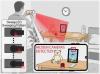 Cheap smartphone add-on pinpoints hidden cameras to shut down spies
 The $600 Tank That Beats a $10,000 Powerwall
Top Tech News
 BEYOND THE MOON: NASA plans a nuclear-powered fleet to push DEEPER into space
 Big Oil Backs Mazama's $135 Million Bet On Superhot Geothermal
 Quantum compass takes flight on Northrop's Lumberjack drone
 Terrifying AI Behavior Even Its Creators Couldn't Explain
 WW3 Near-Miss? AI Hallucinated Nuclear Weapons Components Aboard Chinese Vessel Bound For Iran
 Stripe Is Building the Toll Road for the Machine Economy
 Toyota Dakar hopeful swaps twin-turbo V6 for hydrogen fuel cells
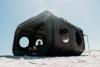 4-min turbo-inflatable cubic camp castle is now available in the USA
 Researchers Used Claude To Hack OpenAI Employee Accounts
 Chinese Scientists Develop New Oil Refining Method That Cuts Energy Use by 90%



Here's how to eat after taking antibiotics, according to science
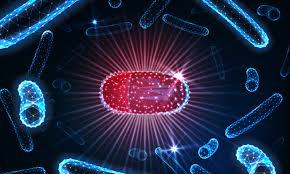
That's because the disease-fighting pills blast all of the bacteria in your gut, whether they're helpful or not, and it can take time for this community to rebuild itself after completing a course of the medication. This can lead to gastrointestinal distress including diarrhea, gas, and other types of stomach upset. A researcher at the University of Chicago (UChicago) likens the effects of antibiotics to a forest fire in the gut and compares your diet to the way in which the ecosystem develops afterwards.
"The mammalian gut microbiome is like a forest, and when you damage it, it must have a succession of events that occur in a specific order to restore itself back to its former health," said UChicago's Eugene B. Chang. "When you are on a Western diet, this does not happen because it doesn't provide the nutrients for the right microbes at the right time to recover. Instead, you end up with a few species that monopolize these resources, and don't set the stage for other organisms that are required for recovery."
Chang is the senior author on a study that looked at the effect diets might have on rebuilding the gut microbiome – the community of microbes living in the colon – after the sometimes devastating effects of antibiotics.
He and his team started with two groups of mice. One was fed food mimicking a typical Western-style diet (WD), which is to say it consisted of high-fat and low-fiber foods. The other group ate regular mouse chow (RC), which is low-fat and has a wide range of plant fiber, much like the Mediterranean diet.
The team then gave both groups of mice a course of antibiotics. Finally, in an attempt to restore their gut microbiomes to their pre-antibiotic states, they used fecal microbial transplants (FMT) in which feces from healthy mice who weren't treated with antibiotics were introduced to the colons of the test subjects.
What they found was that the approach worked for the mice who were on the RC diet; their colons were able to allow the reestablishment of a wide range of beneficial bacteria that had been destroyed by the antibiotics. This was true for mice that were on the RC plan before antibiotic treatment as well as those who were on the WD plan before treatment and then switched to the RC plan afterwards.
However, for the mice who had been on the WD plan before and after antibiotic treatment, the FMT simply didn't work; the colons of those mice were unable to reestablish a colony of helpful bacteria. What's more, the researchers found that the mice on the WD plan were also more susceptible to Salmonella infections.