










Breaking News
 Hackers rip down Flock camera, steal its data, share findings with media
 WATCH LIVE: Trump Threatens Iran With Nuclear Annihilation! Billion-Dollar Financial Engine...
 DOJ Sues San Jose, Alleging $1,600 Firearm Fee Is Unconstitutional
 An Eerily Quiet Summer Of No Riots. Is Bessent's NGO Crackdown Working?
Top Tech News
 World's smallest CT scanner fits in the palm of your hand
 The Tesla Roadster will blow people's minds
 Peter Thiel-Funded Company Anduril to Triple the Number of Autonomous Surveillance Towers...
 Quantum computing may soon become part of the microscope itself.
 Volkswagen Just Unveiled The Most Efficient EV Ever Tested
 NASA Super Light Solar Sail Project Will Be 12-40 Times Lighter and Faster
 Space Telescope Interferometer to Image Exoplanet Continents
 Twenty-five years of "temporary": how 9/11 built a surveillance state Americans never vote
 I'll Never Buy Another WALMART Battery!
 Shoei GT-Air 3 Smart helmet drops with built-in AR for $1,500



New Zealand's wireless power transmission: Your questions answered
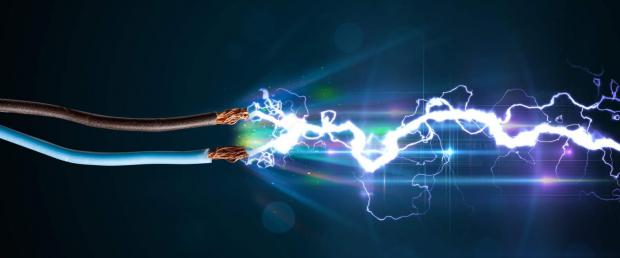
Today we follow up with an interview with Emrod's founder, Greg Kushnir, to talk about the deal, the technology, safety and redundancy concerns, the efficiency of the system and whether it can be used to transmit power back to Earth from a space-based solar array.
What follows is an edited transcript.
New Atlas: Congrats on this deal you've signed with Powerco. It sounds pretty significant.
Greg Kushnir: Any market traction with a new technology is significant. I think it's been a huge leap of faith on behalf of Powerco.
So Microwave energy transmission has been possible for some time. What are the advances you guys have made?
You're absolutely right. Transferring energy with microwaves has been around for decades. In the 70s, NASA showed it could support a helicopter drone in the air, charging it with microwaves from the ground. It's been around for a while.
What's changed in the last few years is mostly metamaterials technology. New materials that allowed us to convert the energy back into electricity very, very efficiently. That was what made it viable for commercial use. Before that, it's been around, but mostly used for military purposes.