










Breaking News
 15 Years After Occupy, the Case Against the System Has Never Been Clearer
 8 Prepper Hacks for Cleaning Without Running Water
 The Economy Is Stagnating
 Britain To Appoint A Dedicated Tax Agent To Every Single Billionaire
Top Tech News
 BEYOND THE MOON: NASA plans a nuclear-powered fleet to push DEEPER into space
 Big Oil Backs Mazama's $135 Million Bet On Superhot Geothermal
 Quantum compass takes flight on Northrop's Lumberjack drone
 Terrifying AI Behavior Even Its Creators Couldn't Explain
 WW3 Near-Miss? AI Hallucinated Nuclear Weapons Components Aboard Chinese Vessel Bound For Iran
 Stripe Is Building the Toll Road for the Machine Economy
 Toyota Dakar hopeful swaps twin-turbo V6 for hydrogen fuel cells
 4-min turbo-inflatable cubic camp castle is now available in the USA
 Researchers Used Claude To Hack OpenAI Employee Accounts
 Chinese Scientists Develop New Oil Refining Method That Cuts Energy Use by 90%



Experimental study speeds up bone healing with 2 common medications
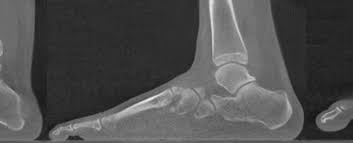
Only demonstrated in animals at this stage, the researchers suggest clinical trials could progress rapidly considering the drugs have already been demonstrated as safe in humans.
"The body repairs itself all the time," says corresponding author on the study Sara Rankin. "We know that when bones break they will heal, and this requires the activation of stem cells in the bone. However, when the damage is severe, there are limits to what the body can do of its own accord."
A great deal of current research is focusing on mesenchymal stem cell (MSC) therapies. MSCs are a type of adult stem cell that can grow into a variety of different cell types including muscle, fat or bone. Many current MSC treatments in development involve extracting a small number from a patient, growing them in laboratory conditions, then injecting them back into the patient.