










Breaking News
 15 Years After Occupy, the Case Against the System Has Never Been Clearer
 8 Prepper Hacks for Cleaning Without Running Water
 The Economy Is Stagnating
 Britain To Appoint A Dedicated Tax Agent To Every Single Billionaire
Top Tech News
 BEYOND THE MOON: NASA plans a nuclear-powered fleet to push DEEPER into space
 Big Oil Backs Mazama's $135 Million Bet On Superhot Geothermal
 Quantum compass takes flight on Northrop's Lumberjack drone
 Terrifying AI Behavior Even Its Creators Couldn't Explain
 WW3 Near-Miss? AI Hallucinated Nuclear Weapons Components Aboard Chinese Vessel Bound For Iran
 Stripe Is Building the Toll Road for the Machine Economy
 Toyota Dakar hopeful swaps twin-turbo V6 for hydrogen fuel cells
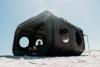 4-min turbo-inflatable cubic camp castle is now available in the USA
 Researchers Used Claude To Hack OpenAI Employee Accounts
 Chinese Scientists Develop New Oil Refining Method That Cuts Energy Use by 90%



New Tech Will Disinfect Everything and Help Stop Infectious Diseases
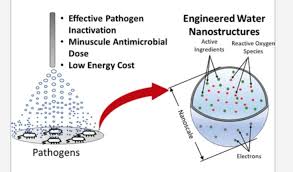
They used a nano-enabled platform developed at the center to create and deliver tiny, aerosolized water nonodroplets containing non-toxic, nature-inspired disinfectants wherever desired.
They take water and turn it into an engineered water nanoparticle, which carries its deadly payload, primarily nontoxic, nature-inspired antimicrobials, and kills microorganisms on surfaces and in the air.
You need 12 volts DC, and it is combined with electrospray and ionization to turn water into a nanoaerosol, in which these engineered nanostructures are suspended in the air. These water nanoparticles have unique properties because of their small size and also contain reactive oxygen species. These are hydroxyl radicals, peroxides, and are similar to what nature uses in cells to kill pathogens. These nanoparticles, by design, also carry an electric charge, which increases surface energy and reduces evaporation. That means these engineered nanostructures can remain suspended in air for hours. When the charge dissipates, they become water vapor and disappear.