










Breaking News
 15 Years After Occupy, the Case Against the System Has Never Been Clearer
 8 Prepper Hacks for Cleaning Without Running Water
 The Economy Is Stagnating
 Britain To Appoint A Dedicated Tax Agent To Every Single Billionaire
Top Tech News
 Tesla Model 3 killer charges from 10 to 97% in just 9 minutes
 World-first unpowered DNA computer sets speed record
 I Power 5 Buildings Off-Grid. Here's How
 The US government is pushing hard to get a working nuclear fission reactor into space by late 2028
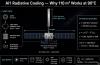 SpaceX Starmind AI in Space Radiator
 China Will Dominate Global Nuclear Energy Through 2035, Analyst Says
 These Absolutely Wild-Looking EVs Are Saudi Arabia's First Homegrown Cars
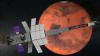 BEYOND THE MOON: NASA plans a nuclear-powered fleet to push DEEPER into space
 Big Oil Backs Mazama's $135 Million Bet On Superhot Geothermal
 Quantum compass takes flight on Northrop's Lumberjack drone


Tips for protecting your food supply when the grid goes down

(Natural News) As a prepper, it's important to know about proper food storage and how to gather the necessary supplies for your stockpile. But how do you prevent food spoilage if you experience a long-term power outage? (h/t to BeansBulletsBandagesAndYou.com)
Before SHTF, make sure you have backup power for your appliances, especially your fridge and freezer. Otherwise, your perishables can spoil.
Ideally, the bulk of your food supply won't require refrigeration. That way, if you lose power in your neighborhood, you'll only have to attend to a fraction of your stockpile.
One way to prevent food spoilage for the items in your fridge and freezer is to have a generator. When the lights go out, start your generator and plug in your appliances.
Without electricity or a cold source, food in refrigerators and freezers may become unsafe to consume. Bacteria in food will rapidly multiply at temperatures between 40 and 140 degrees F. Eating these foods can make you very sick.
If thawed food is still "refrigerator cold," it can still be eaten. If it still contains ice crystals, you can re-freeze it. Otherwise, dispose of food properly.
If the power goes out, keep these tips in mind to avoid food poisoning:
Clean cooking and eating utensils thoroughly.
Keep food in covered containers.
Discard any food that looks or smells weird or items with an unusual texture.
Don't eat foods from cans that are dented, swollen, or corroded. Just because a can looks okay to you doesn't mean the food inside is still safe to eat.
Use a refrigerator thermometer to check the temperature in your fridge. Refrigerated or frozen foods must be kept at 40 degrees F or below for proper food storage.
Don't open refrigerator and freezer doors unnecessarily. If you keep the fridge door closed when the power goes out, the food inside can stay cold for at least four hours.
Dispose of your garbage properly to avoid contamination.
Foods you can store at room temperature and those that go bad when the grid goes down
The foods in the list below are generally safe to store at room temperature for one to two days.