










Breaking News
 China's gold rush is becoming impossible to ignore.
 A 3-year-old boy had an 11 cm liver tumor...
 Bazoka incoming…
 15 Years After Occupy, the Case Against the System Has Never Been Clearer
Top Tech News
 Tesla Model 3 killer charges from 10 to 97% in just 9 minutes
 World-first unpowered DNA computer sets speed record
 I Power 5 Buildings Off-Grid. Here's How
 The US government is pushing hard to get a working nuclear fission reactor into space by late 2028
 SpaceX Starmind AI in Space Radiator
 China Will Dominate Global Nuclear Energy Through 2035, Analyst Says
 These Absolutely Wild-Looking EVs Are Saudi Arabia's First Homegrown Cars
 BEYOND THE MOON: NASA plans a nuclear-powered fleet to push DEEPER into space
 Big Oil Backs Mazama's $135 Million Bet On Superhot Geothermal
 Quantum compass takes flight on Northrop's Lumberjack drone


As The Perfect Storm Hits America's Food Supply All At Once, 'Miracle Foods' & Hydroponi
May 29, 2019
As The Perfect Storm Hits America's Food Supply All At Once, 'Miracle Foods' & Hydroponics Will Be The Keys To Long-Term Survival
- Control The Food, Control The People
By Susan Duclos - All News PipeLine
With this Spring's flooding in the Midwest decimating many crops, with millions of calves lost during the flooding, along with the recent barrage of tornadoes leaving a path of destruction from Kansas to Pennsylvania, along with the recent news of Asian "pig ebola" sending "shock waves through the global food chain," we have seen and written a number of prepping pieces encouraging Americans to prepare, many focused on emergency survival food, but eventually even that would run out as the long term effects of food shortages started affecting production.
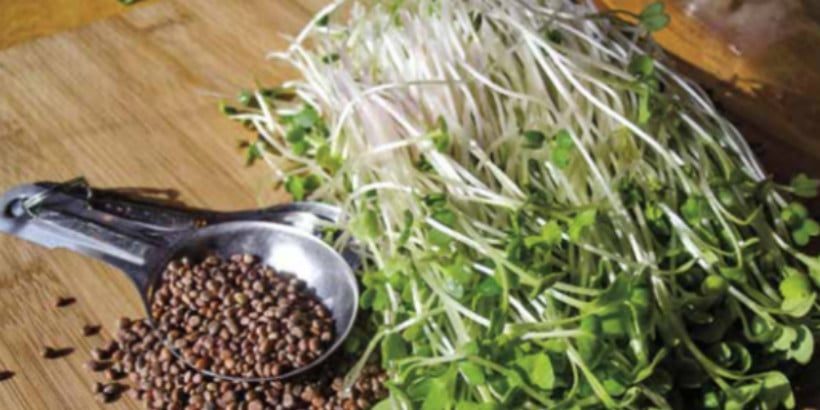
While a significant supply of emergency food may last a few months, a year or maybe, for those that have been prepping longer, more, long-term survival will depend on the ability to grow your own food indoors year-round.
ANP reached out to Steve Quayle, who has been a proponent of prepping since before prepping became a "thing," to ask what the most ignored or under-addressed aspect of prepping was in his researched opinion, and received back some of the best prepping tips we have ever heard.
Below we will delve into the most important factors of survival that we believe are not addressed enough.