










Breaking News
 This is the future we shall bring into being
 Elon Musk's Vision For The Future Looks Like A Movie
 Phosphorus Munitions Fired by Israel Burn Groves, Orchards in Southern Lebanon
 Iran's IRGC Warns It Will Expand 'Geography of the War' If the US Attacks Again
Top Tech News
 BEYOND THE MOON: NASA plans a nuclear-powered fleet to push DEEPER into space
 Big Oil Backs Mazama's $135 Million Bet On Superhot Geothermal
 Quantum compass takes flight on Northrop's Lumberjack drone
 Terrifying AI Behavior Even Its Creators Couldn't Explain
 WW3 Near-Miss? AI Hallucinated Nuclear Weapons Components Aboard Chinese Vessel Bound For Iran
 Stripe Is Building the Toll Road for the Machine Economy
 Toyota Dakar hopeful swaps twin-turbo V6 for hydrogen fuel cells
 4-min turbo-inflatable cubic camp castle is now available in the USA
 Researchers Used Claude To Hack OpenAI Employee Accounts
 Chinese Scientists Develop New Oil Refining Method That Cuts Energy Use by 90%



How 3D Printing is Revolutionizing the Housing
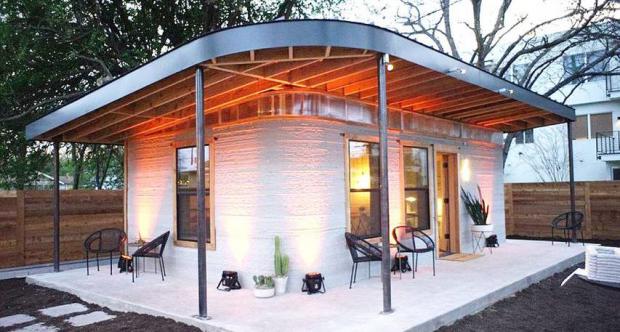
The housing industry is like a roller coaster.
The housing crash left houses empty and people homeless. Some neighborhoods are still littered with empty and decaying homes, some having stood empty going on 10 years now.
By this point, a lot of these homes aren't even worth repairing. Since the crash, there has been a lot of conversation, and demand, for more housing options.
And why not? Engineers have discovered cheaper, more eco-friendly and sustainable housing options. Why not use them?
Current homes were built between 40 and 100 years ago. They now show signs of wood rot, weakening foundation, insect infestations, and mold. And without modern insulation and windows, residents shoulder high power and heating costs.
These problems will only get worse as time goes on. But what's going to replace them?
Will people build more of the same, or start building smarter?
New Era of Housing
If you imagine a "Jetsons" style future, you may be disappointed. Likely most structures will resemble current styles, but with hidden improvements in the materials and design.
When the market demands something new, the industry will eventually abide.
Alternatives to traditional homes are already popping up. And surprisingly, a lot of these options are significantly cheaper than current construction methods. Plus, many of these homes continue to save you money in efficiency in the long term.