










Breaking News
 "Begin Preparing Yourself..." - Jeffrey Sachs
 The 5-Year Treasury Just Broke 5%... The Whole Curve Is Next
 ICE Denounced for Enacting 'Official Government Policy of Disappearing People'
 Google Just Told Canadian Adults: Give Us Your ID and a Selfie Or Else…And It's Starting Now!!
Top Tech News
 Tesla Model 3 killer charges from 10 to 97% in just 9 minutes
 World-first unpowered DNA computer sets speed record
 I Power 5 Buildings Off-Grid. Here's How
 The US government is pushing hard to get a working nuclear fission reactor into space by late 2028
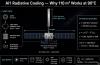 SpaceX Starmind AI in Space Radiator
 China Will Dominate Global Nuclear Energy Through 2035, Analyst Says
 These Absolutely Wild-Looking EVs Are Saudi Arabia's First Homegrown Cars
 BEYOND THE MOON: NASA plans a nuclear-powered fleet to push DEEPER into space
 Big Oil Backs Mazama's $135 Million Bet On Superhot Geothermal
 Quantum compass takes flight on Northrop's Lumberjack drone


In 5 years Lab Grown organs could start helping 115,000 in the US waiting for organs

This could begin solving the human transplant problem starting in about 5 years. They could grow lungs to transplant into people in compassionate use circumstances within five to 10 years.
Transplant organs were recovered from 10,281 deceased donors—more than a 3% increase from 2016 and a 27% increase over the last 10 years. There were a total of 34,768 transplants performed in 2017 using organs from both deceased and living donors—a new record for organ transplants in the United States. At Penn Medicine in Philadelphia, there are ongoing clinical trials where people are given organs from donors who are infected with hepatitis C. After the transplant, recipients take a drug that will clear them of the disease. So far, the trial is having positive results.
Another reason for the increase is the rise in drug overdose deaths across the US.
There are about 115,000 people in the USA waiting for transplants.