










Breaking News
 "Begin Preparing Yourself..." - Jeffrey Sachs
 The 5-Year Treasury Just Broke 5%... The Whole Curve Is Next
 ICE Denounced for Enacting 'Official Government Policy of Disappearing People'
 Google Just Told Canadian Adults: Give Us Your ID and a Selfie Or Else…And It's Starting Now!!
Top Tech News
 Tesla Model 3 killer charges from 10 to 97% in just 9 minutes
 World-first unpowered DNA computer sets speed record
 I Power 5 Buildings Off-Grid. Here's How
 The US government is pushing hard to get a working nuclear fission reactor into space by late 2028
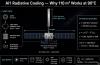 SpaceX Starmind AI in Space Radiator
 China Will Dominate Global Nuclear Energy Through 2035, Analyst Says
 These Absolutely Wild-Looking EVs Are Saudi Arabia's First Homegrown Cars
 BEYOND THE MOON: NASA plans a nuclear-powered fleet to push DEEPER into space
 Big Oil Backs Mazama's $135 Million Bet On Superhot Geothermal
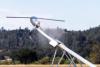 Quantum compass takes flight on Northrop's Lumberjack drone


Key Regenerative Stem Cell found which could lead to human regeneration and antiaging
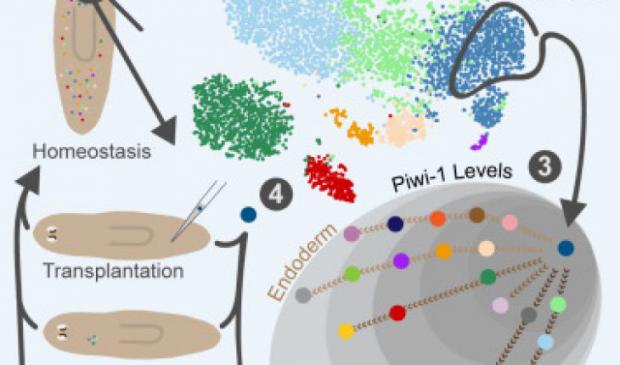
These used a technique that combines genomics, single-cell analysis, flow cytometry and imaging, scientists have isolated this amazing regenerative cell – a subtype of the long-studied adult pluripotent stem cell – before it performs its remarkable act. This will propel biological studies on highly regenerative organisms like planarians and also inform regenerative medicine efforts for other organisms like humans that have less regenerative capacity.
Every multicellular organism is built from a single cell, which divides into two identical cells, then four, and so on. Each of these cells contains the exact same twisted strands of DNA, and is considered pluripotent – meaning it can give rise to all possible cell types in the body. But somewhere along the way, those starter cells – known as embryonic stem cells – resign themselves to a different fate and become skin cells, heart cells, muscle cells, or another cell type. In humans, no known pluripotent stem cells remain after birth. In planarians, they stick around into adulthood, where they become known as adult pluripotent stem cells or neoblasts. Scientists believe these neoblasts hold the secret to regeneration.