










Breaking News
 "Begin Preparing Yourself..." - Jeffrey Sachs
 The 5-Year Treasury Just Broke 5%... The Whole Curve Is Next
 ICE Denounced for Enacting 'Official Government Policy of Disappearing People'
 Google Just Told Canadian Adults: Give Us Your ID and a Selfie Or Else…And It's Starting Now!!
Top Tech News
 Tesla Model 3 killer charges from 10 to 97% in just 9 minutes
 World-first unpowered DNA computer sets speed record
 I Power 5 Buildings Off-Grid. Here's How
 The US government is pushing hard to get a working nuclear fission reactor into space by late 2028
 SpaceX Starmind AI in Space Radiator
 China Will Dominate Global Nuclear Energy Through 2035, Analyst Says
 These Absolutely Wild-Looking EVs Are Saudi Arabia's First Homegrown Cars
 BEYOND THE MOON: NASA plans a nuclear-powered fleet to push DEEPER into space
 Big Oil Backs Mazama's $135 Million Bet On Superhot Geothermal
 Quantum compass takes flight on Northrop's Lumberjack drone


Newly discovered metabolic mechanism could be an off-switch for inflammation
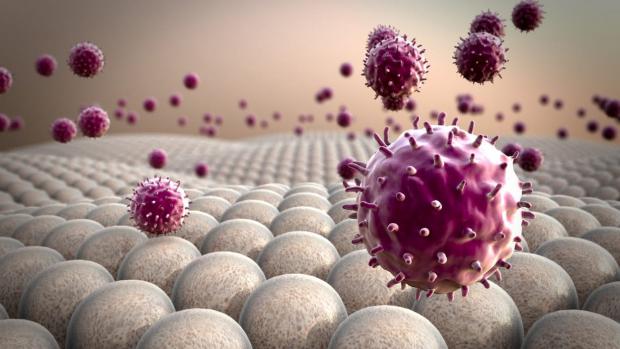
The discovery suggests manipulating this mechanism could essentially "switch off" inflammation, which the researchers hope could lead to the development of entirely new anti-inflammatory drugs to treat a host of auto-immune disorders.
When the body is working properly, inflammation is a good thing. It is our natural immune system response to help the body protect itself from harmful external stimuli. But sometimes inflammation can flare up out of control and result in a number of diseases, from simple allergies to more complex gastrointestinal disorders. Inflammation has also recently been suspected to be connected to everything from cancer to depression.
The best treatment we have today for an acute inflammatory flare-up is still an old-fashioned steroidal immunosuppressive drug. These drugs can sometimes have significant negative side-effects and stifle the immune system to such an degree that it makes the patient highly susceptible to other infections.