










Breaking News
 This is the future we shall bring into being
 Elon Musk's Vision For The Future Looks Like A Movie
 Phosphorus Munitions Fired by Israel Burn Groves, Orchards in Southern Lebanon
 Iran's IRGC Warns It Will Expand 'Geography of the War' If the US Attacks Again
Top Tech News
 BEYOND THE MOON: NASA plans a nuclear-powered fleet to push DEEPER into space
 Big Oil Backs Mazama's $135 Million Bet On Superhot Geothermal
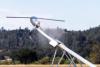 Quantum compass takes flight on Northrop's Lumberjack drone
 Terrifying AI Behavior Even Its Creators Couldn't Explain
 WW3 Near-Miss? AI Hallucinated Nuclear Weapons Components Aboard Chinese Vessel Bound For Iran
 Stripe Is Building the Toll Road for the Machine Economy
 Toyota Dakar hopeful swaps twin-turbo V6 for hydrogen fuel cells
 4-min turbo-inflatable cubic camp castle is now available in the USA
 Researchers Used Claude To Hack OpenAI Employee Accounts
 Chinese Scientists Develop New Oil Refining Method That Cuts Energy Use by 90%



Selco: The Reality of Barter and Trade in an SHTF Economy
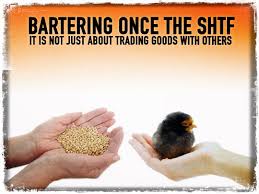
Barter is a hot topic in prepper circles, so I thought we should ask someone who has a lot of real-world experience with trade in a dangerous situation.
If you don't know Selco, he survived a year in Bosnia when his city was blockaded. Supplies were not allowed in or out, and residents were left without utilities and services. This interview is in his own words.
How quickly did people turn to barter once your city was locked down?
It was a matter of a few weeks.
Actually, for ordinary folks, it was a matter of few weeks because we did not get the new reality right at the beginning of everything.
Later when I remembered that period, I realized that even right at the beginning of SHTF there were people who did not want to take money for goods. They asked for valuables like gold, jewelry, or weapon for goods that they had.
Some of them were smart enough to realize that money was gonna become worthless really soon, and even gold and jewelry were only good in the first period, and then only if you had a connection to outside world to exchange it for something useful.
Ordinary folks needed few weeks. It was a process that went from buying goods with money, then buying goods from people who still wanted to take money (at outrages prices) to the moment when money was worthless, and only goods for goods were accepted.