










Breaking News
 The Download: GLOBAL WAR LOOMING, GOVERNMENT AT YOUR DOOR & DOCTORS...
 Episode 495: AI'S FREE PASS, NIH FINALLY WAKES UP & CHILDHOOD DEATH BOMBSHELL
 Xi backs AI safety with Trump, draws Taiwan line, urges Iran talks
 The Israeli Lobby Boasts of Its Rule of America
Top Tech News
 Tesla Model 3 killer charges from 10 to 97% in just 9 minutes
 World-first unpowered DNA computer sets speed record
 I Power 5 Buildings Off-Grid. Here's How
 The US government is pushing hard to get a working nuclear fission reactor into space by late 2028
 SpaceX Starmind AI in Space Radiator
 China Will Dominate Global Nuclear Energy Through 2035, Analyst Says
 These Absolutely Wild-Looking EVs Are Saudi Arabia's First Homegrown Cars
 BEYOND THE MOON: NASA plans a nuclear-powered fleet to push DEEPER into space
 Big Oil Backs Mazama's $135 Million Bet On Superhot Geothermal
 Quantum compass takes flight on Northrop's Lumberjack drone


Can eating mostly fat help you lose weight?
Every January, fat's in the crosshairs of health columnists, fitness magazines, and desperate Americans. This year, PopSci looks at the macronutrient beyond its most negative associations. What's fat good for? How do we get it to go where we want it to? Where does it wander when it's lost? This, my friends, is Fat Month.

Related question: Is butter a carb?
Pixabay
The ketogenic diet didn't start as a weight-loss method. It was a treatment for epileptic kids—one of the few that worked, especially for those who had already tried traditional medications. But odds are the only people you'll hear talking about it today are those looking to drop a few pounds without giving up butter.
Keto, as it's known among dieters, is based around getting most of your calories from fat, some from protein, and almost none from carbohydrates. It's like a more extreme form of Atkins, except keto actually came first. It became an epilepsy treatment back in the 1920s, whereas the weight-loss paper that inspired Dr. Atkins to establish his low-carb diet wasn't published until 1958.
The idea of eating fat in order to lose fat is obviously appealing. Oils and fats are filling and soothing, so prospective dieters feel they might not have to sacrifice as much. And everyone knows that carbs are the devil anyway, right? If it started as a medically-prescribed diet, surely it must be healthy.
But like your opinion on most fad diets, your thoughts on keto are probably based on vague notions sourced from the nightly news. Food trends tend to skyrocket to fame and fall from grace before science ever has a chance to weigh in. But you should want to see solid research before you commit to a whole new way of eating. In honor of PopSci's Fat Month, let's do a quick refresher on what keto really is—and whether it works.
What is the keto diet again?
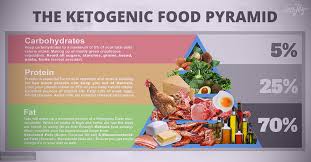
The real ketogenic diet requires you to get 80-90 percent of your calories from fat. You should also consume about one gram of protein per kilogram of bodyweight and limit carbs to 10-15 grams a day. That's a huge shift from the average American diet, in which about half of all calories come from carbs.