










Breaking News
 This Audi EV Set A Guinness World Record By Driving 831 Miles Without Recharging
 How US and China can nimbly escape the Thucydides Trap
 Taiwan's 'silicon shield' is in a race against time
 Bond vigilantes on a savage hunt as global yields run wild
Top Tech News
 Tesla Model 3 killer charges from 10 to 97% in just 9 minutes
 World-first unpowered DNA computer sets speed record
 I Power 5 Buildings Off-Grid. Here's How
 The US government is pushing hard to get a working nuclear fission reactor into space by late 2028
 SpaceX Starmind AI in Space Radiator
 China Will Dominate Global Nuclear Energy Through 2035, Analyst Says
 These Absolutely Wild-Looking EVs Are Saudi Arabia's First Homegrown Cars
 BEYOND THE MOON: NASA plans a nuclear-powered fleet to push DEEPER into space
 Big Oil Backs Mazama's $135 Million Bet On Superhot Geothermal
 Quantum compass takes flight on Northrop's Lumberjack drone


Elon Musk plans to put all of SpaceX's resources into its Mars rocket
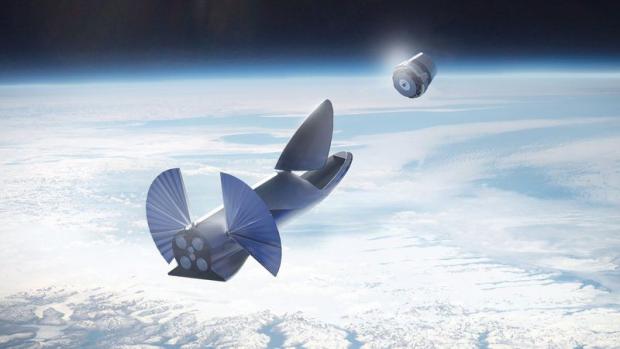
Speaking at the International Astronautical Congress, Musk said that SpaceX will eventually start stockpiling these vehicles and then focus all of its resources into developing the company's next monster vehicle: the Interplanetary Transport System, codenamed the BFR (for Big Fucking Rocket).
"we believe we can do this with the revenue we receive from launching satellites and servicing the space station."
"All our resources will turn toward building BFR," Musk said. "And we believe we can do this with the revenue we receive from launching satellites and servicing the space station."
Musk also announced he's planning to scale down the ITS, proposing 31 main engines this year. Last year at the same conference, Musk unveiled the combo rocket-and-spaceship's design, which included 42 main Raptor engines that could send up to 450 metric tons to Mars. Most of the rest of the major design elements, such as in-orbit fueling and propulsive landing, remained the same.