










Breaking News
 California Declares State Of Emergency Ahead Of Strong El Niño
 'Pausing' Intensifies: OpenAI Unleashes Latest Model Minutes After Dario Dumps Magnum Opus
 Trump Calls For Diesel Export Ban After 3-Hour 'Very Productive' Iran Talks
 Wendy's faces 300 closures across 15 states due to crippling beef prices
Top Tech News
 BEYOND THE MOON: NASA plans a nuclear-powered fleet to push DEEPER into space
 Big Oil Backs Mazama's $135 Million Bet On Superhot Geothermal
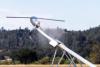 Quantum compass takes flight on Northrop's Lumberjack drone
 Terrifying AI Behavior Even Its Creators Couldn't Explain
 WW3 Near-Miss? AI Hallucinated Nuclear Weapons Components Aboard Chinese Vessel Bound For Iran
 Stripe Is Building the Toll Road for the Machine Economy
 Toyota Dakar hopeful swaps twin-turbo V6 for hydrogen fuel cells
 4-min turbo-inflatable cubic camp castle is now available in the USA
 Researchers Used Claude To Hack OpenAI Employee Accounts
 Chinese Scientists Develop New Oil Refining Method That Cuts Energy Use by 90%



20 Strategies and Tips for Creating a Rainwater Catchment System
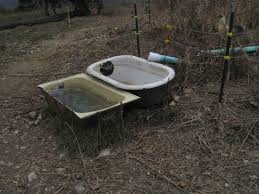
In a continuing effort to educate our readers on the finer aspects of self-sufficiency, I have invited Dan Chiras to share his best strategies and tips for creating a rain catchment system that works.
If Dan's name sounds familiar, it is because he is the author of two Prepper Book Festival titles, Survive in Style: The Prepper's Guide to Living Comfortably through Disasters and Power From the Sun: A Practical Guide to Solar Electricity. Today he is here with specifics on collecting rainwater, regardless of where you live.
Let it Rain: Collecting Rainwater from Your Roof to Survive in Style
In a crisis, rainwater can become one of a prepper's greatest allies. If you live in an area with as few as 30 inches (12 cm) of precipitation a year, you may be able to live entirely off water falling on the roof of your home. That is, you could collect enough water from precipitation to meet all of your needs for cooking, cleaning, bathing, flushing toilets, watering gardens, and supplying a few chickens and a goat or cow – if you use water efficiently. I've done it for many years.