










Breaking News
 Is Big Pharma Selling Postpartum Depression to New Moms?
 Make Men Men Again: Low T Is Now a National Defense Problem
 Druski: They're Lying To You About Overnight Success!
 $6.27 Diesel Just Hit Harvest. The Grocery Aisle Hasn't Felt It Yet.
Top Tech News
 Tesla Model 3 killer charges from 10 to 97% in just 9 minutes
 World-first unpowered DNA computer sets speed record
 I Power 5 Buildings Off-Grid. Here's How
 The US government is pushing hard to get a working nuclear fission reactor into space by late 2028
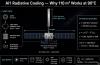 SpaceX Starmind AI in Space Radiator
 China Will Dominate Global Nuclear Energy Through 2035, Analyst Says
 These Absolutely Wild-Looking EVs Are Saudi Arabia's First Homegrown Cars
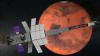 BEYOND THE MOON: NASA plans a nuclear-powered fleet to push DEEPER into space
 Big Oil Backs Mazama's $135 Million Bet On Superhot Geothermal
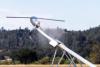 Quantum compass takes flight on Northrop's Lumberjack drone


Next Japanese solar sail will be 10-15 times bigger than Ikaros solar sail...

Launched in 2010, the latter was a square sail 14 meters to the side that demonstrated the feasibility of maneuvering a sail on interplanetary trajectories. JAXA has talked ever since about going to Jupiter, but the challenges are formidable, not the least of which is the question of generating enough power to operate over 5 AU from the Sun.
The new JAXA sail, which has been in the planning pipeline since before IKAROS flew, will span 50 meters to the side, 2500 square meters that will contain the 30,000 solar panels — thin film solar cells attached to the entire surface of the sail membrane — necessary to operate at the 5.2 AU distance of Jupiter's trojan asteroids.