










Breaking News
 Is Big Pharma Selling Postpartum Depression to New Moms?
 Make Men Men Again: Low T Is Now a National Defense Problem
 Druski: They're Lying To You About Overnight Success!
 $6.27 Diesel Just Hit Harvest. The Grocery Aisle Hasn't Felt It Yet.
Top Tech News
 Tesla Model 3 killer charges from 10 to 97% in just 9 minutes
 World-first unpowered DNA computer sets speed record
 I Power 5 Buildings Off-Grid. Here's How
 The US government is pushing hard to get a working nuclear fission reactor into space by late 2028
 SpaceX Starmind AI in Space Radiator
 China Will Dominate Global Nuclear Energy Through 2035, Analyst Says
 These Absolutely Wild-Looking EVs Are Saudi Arabia's First Homegrown Cars
 BEYOND THE MOON: NASA plans a nuclear-powered fleet to push DEEPER into space
 Big Oil Backs Mazama's $135 Million Bet On Superhot Geothermal
 Quantum compass takes flight on Northrop's Lumberjack drone


China to develop satellite-delivery rockets released from airplanes
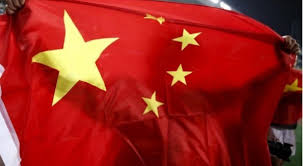
Air-launched rockets can rapidly replace dysfunctional satellites or, in cases of disaster relief, quickly send up Earth observation satellites to assist in the effort, Li said.
Designers at the academy, which is the main developer of Chinese carrier rockets, have designed a model capable of sending a payload of about 100 kilograms into low Earth orbit and are ready to produce one if the government asks, he said. They plan to design a larger rocket that could carry 200 kg into orbit.
"The Y-20 strategic transport plane will be the carrier of these rockets. The jet will hold a rocket within its fuselage and release it at a certain altitude. The rocket will be ignited after it leaves the plane," Li said.
Large satellites will still have to be put into orbit with conventional rockets, experts said.
Delivery of the Y-20 to the Chinese Air Force began in July. It is China's first domestically developed heavy-lift transport plane and has a maximum takeoff weight of more than 200 metric tons and a maximum payload of about 66 tons, aviation experts said.