










Breaking News
 Is Big Pharma Selling Postpartum Depression to New Moms?
 Make Men Men Again: Low T Is Now a National Defense Problem
 Druski: They're Lying To You About Overnight Success!
 $6.27 Diesel Just Hit Harvest. The Grocery Aisle Hasn't Felt It Yet.
Top Tech News
 Tesla Model 3 killer charges from 10 to 97% in just 9 minutes
 World-first unpowered DNA computer sets speed record
 I Power 5 Buildings Off-Grid. Here's How
 The US government is pushing hard to get a working nuclear fission reactor into space by late 2028
 SpaceX Starmind AI in Space Radiator
 China Will Dominate Global Nuclear Energy Through 2035, Analyst Says
 These Absolutely Wild-Looking EVs Are Saudi Arabia's First Homegrown Cars
 BEYOND THE MOON: NASA plans a nuclear-powered fleet to push DEEPER into space
 Big Oil Backs Mazama's $135 Million Bet On Superhot Geothermal
 Quantum compass takes flight on Northrop's Lumberjack drone


6 Plants Other Than Cannabis That are High in Healing Cannabinoids
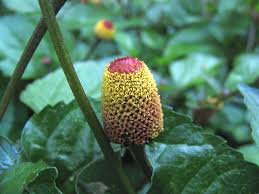
Cannabis is not the only plant that contains medically beneficial cannabinoids, although it has driven the research to understand the powerful therapeutic properties of these plant compounds. In actuality, there are several plants that are also rich in cannabinoids and benefit the body's endocannabinoid system, which is responsible for helping the body maintain internal balance, or homeostasis, which is needed for attaining optimum health.
To expand our understanding of cannabinoids and the endocannabinoid system, scientists and botanists are exploring the prevalence of cannabinoids in many plants used in natural remedies, other than just cannabis. Below are six plants found to either contain healing cannabinoids or affect the endocannabinoid system, and some of their known therapeutic benefits.
1. Coneflower – Echinacea
This plant is well-known for its ability to help the body fight off the common cold. It is also used to relieve anxiety, fatigue, migraines, and arthritis. Echinacea is a bit different than cannabis because it uses cannabimimetics instead of cannabinoids to engage the endocannabinoid system, particularly the CB2 receptor. Similar to THC in cannabis, the N-alkyl amides (NAAs) in echinacea are responsible for regulating the immune system, pain and inflammation.
2. Electric Daisy – Acmella oleracea
Native to the Amazon region, the electric daisy is used to create a painkilling gel. It successfully blocks pain receptors at nerve endings, as per trials conducted by Cambridge University. The compounds found the the electric daisy are called N-Isobutylamides, and similarly to other connabinoid-like compounds they regulate pain and inflammation. This natural remedy is emerging as a dental remedy for ailments such as impacted wisdom teeth.
3. Helichrysum umbraculigerum
Native to South Africa, this daisy has a strong mood-stabilizing andanti-depressant affect due to a large amounts of cannabigerol (CBG), also found in the cannabis plant.
Helichrysum has been studied by Italian natural product chemist Giovanni Appendino. He presented at the International Cannabinoid Research Society his discovery that cannabinoid-like compounds are made by plants, starting from an aromatic acid, which is different from the normal cannabinoid biosynthtic route. Helichrysum is used in African ritual ceremonies to make fumes with a potential psychotropic effect similar to other cannabinoids.
4. Liverwort – Radula marginata
This plant, indigenous to New Zealand, contains large amounts of perrottetinenic acid, which is strikingly similar to THC, the psychoactive component in cannabis. It is believed to bind with the CB1 receptors, just as THC, although liverwort is not known to have any psychoactive effects. What it is known for is its ability to treat bronchitis, and historically it has been used to alleviate gallbladder, liver, and bladder problems.

5. Cacao – Theobroma cacao
The cacao plant has many therapeutic properties and it is known to be a powerful, and delicious superfood. Cacao affects with the endocannabinoid system by deactivating the enzyme called FAAH, which typically breaks down the endocannabinoid known as anandamide. Since anandamide is identified to be the body's natural version of THC, eating natural chocolate increases the amounts of anandamide in the brain because the FAAH enzyme is less active.
The result is similar to what many people experience when smoking cannabis – a general feeling of being relaxed and happy – although the result is nowhere near as potent as with THC. Researchers at the Neurosciences Institute of San Diego were able to back up the claims that chocolate does contain three compounds that act as healing cannabinoids