










Breaking News
 Is Big Pharma Selling Postpartum Depression to New Moms?
 Make Men Men Again: Low T Is Now a National Defense Problem
 Druski: They're Lying To You About Overnight Success!
 $6.27 Diesel Just Hit Harvest. The Grocery Aisle Hasn't Felt It Yet.
Top Tech News
 Tesla Model 3 killer charges from 10 to 97% in just 9 minutes
 World-first unpowered DNA computer sets speed record
 I Power 5 Buildings Off-Grid. Here's How
 The US government is pushing hard to get a working nuclear fission reactor into space by late 2028
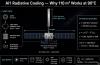 SpaceX Starmind AI in Space Radiator
 China Will Dominate Global Nuclear Energy Through 2035, Analyst Says
 These Absolutely Wild-Looking EVs Are Saudi Arabia's First Homegrown Cars
 BEYOND THE MOON: NASA plans a nuclear-powered fleet to push DEEPER into space
 Big Oil Backs Mazama's $135 Million Bet On Superhot Geothermal
 Quantum compass takes flight on Northrop's Lumberjack drone


Next-gen surgical dressing designed to stop the clock for battlefield wounds

Unfortunately, it isn't always possible to evacuate a wounded soldier immediately to a medical facility, so the US Office of Naval Research (ONR) is sponsoring development of a new field dressing called Acute Care Cover for the Severely Injured Limb (ACCSIL), which not only covers wounded limbs, but reduces damage and protects exposed tissues for up to 72 hours.
Dressing wounds in the field, especially traumatic blast wounds, is a very serious and difficult business. Aside from stabilizing the patient by minimizing blood loss and fending off shock, the medic has to cover the wound properly. This keeps the exposed tissues moist so they don't deteriorate, as well as keeping out dirt and bacteria that can lead to infection and conditions like gangrene.