










Breaking News
 THEY OWN THE OFFSPRING | Gene-Edited Livestock Are Here
 Ben Shapiro to America: Shut Up and Eat Your Goyslop
 The Homeless Industrial Complex:
 The Lucid Cosmos Will Have More Range Than Any Tesla
Top Tech News
 Vitalik Buterin Says Ethereum Is Betting Its Future On Quantum Security And AI
 Everything You Wanted To Know About Building A Cheap AI Setup (That Still Works)...
 If They Were Human, They'd Be Arrested. Experts Respond To Rogue AI Breaches
 Sodium Ion Batteries Will be 80% Cheaper & Last LONGER!
 German startup SAXON Q has introduced a diamond-based quantum computing system...
 Elon Musk To Build The Largest Building In The World - 100 Million Square Feet
 Bitcoin 'Red Team' Says AI Is Finding 100s Of Critical Exploits Across Core Projects
 EG4 Power Pro VS Ruixu Lithi VS Yixiang Budget Battery! Best Selling Battery Showdown!
 Insect wings can kill bacteria without any chemicals!
 Tesla Never Made An Electric Jet Boat, So This YouTuber Built One Himself



Cannabis found to be possible 'cure' for organ transplant rejection
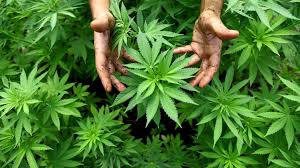
(NaturalNews) In recent weeks scientists examining the positive therapeutic effects of cannabis have made a number of remarkable findings, including a potential solution for the rejection of transplanted organs.
Researchers at the University of South Carolina School of Medicine found that, when given to mice, THC – the active ingredient in pot – seems to aid in preventing the rejection of incompatible organs. This would be huge, because according to Stanford University's School of Medicine, one-quarter of kidney transplant recipients, and about 40 percent of heart transplant recipients, experience organ rejection within the first year. That, coupled with the difficulty in even finding viable organs to transplant, means that anything that would lower rejection rates would immediately become a highly coveted medical discovery.
Scientists at the University of South Carolina qualified their findings with standard language: that more studies are needed to verify their results. Nevertheless, their initial findings provide at least some evidence that THC or some derivative of it could be useful in anti-rejection therapy, and especially in cases where organs and recipients are not a perfect match.
The research team recently published their findings in the September 2015 issue of The Journal of Leukocyte Biology.
This would be huge for organ donors and recipients alike
"We are excited to demonstrate for the first time that cannabinoid receptors play an important role in the prolongation of rejection of a foreign graft by suppressing immune response in the recipient," said Mitzi Nagarkatti, Ph.D., a researcher from the University of South Carolina School of Medicine who was involved in the study. "This opens up a new area of research that would lead to better approaches to prevent transplant rejection as well as to treat other inflammatory diseases."
In conducting their study, Nagarkatti and colleagues utilized two groups of mice that were determined to be different genetically. Skin was transplanted from one group to the other, and all mice received incompatible skin grafts. However, one group was treated with a placebo, while the other was given THC. Researchers then observed that skin graft rejection in mice that had been given THC was delayed in comparison to the control group that was given the placebo.
"More and more research is identifying potential beneficial effects of substances contained in marijuana, but a major challenge has been identifying the molecular pathways involved," noted John Wherry, Ph.D., deputy editor of The Journal of Leukocyte Biology.
He added that the studies seem to indicate more important roles for the body's cannabinoid receptors, and may further adjust the way medical science thinks about therapeutic uses for substances found in marijuana.
While it isn't known whether recent scientific discoveries regarding the positive therapeutic effects of cannabis – including as an aid to bone fracture healing – are having an effect on legalization efforts in the United States in particular, they certainly can't hurt. That may help explain recent trends by some states to thwart federal bans on even recreational uses of marijuana. And new scientific findings could also be influencing legal decisions.