










Breaking News
 The Tesla Semi Just Got A Massive Boost From The Biggest U.S. Electric Truck Order Ever
 California Declares State Of Emergency Ahead Of Strong El Niño
 'Pausing' Intensifies: OpenAI Unleashes Latest Model Minutes After Dario Dumps Magnum Opus
 Trump Calls For Diesel Export Ban After 3-Hour 'Very Productive' Iran Talks
Top Tech News
 BEYOND THE MOON: NASA plans a nuclear-powered fleet to push DEEPER into space
 Big Oil Backs Mazama's $135 Million Bet On Superhot Geothermal
 Quantum compass takes flight on Northrop's Lumberjack drone
 Terrifying AI Behavior Even Its Creators Couldn't Explain
 WW3 Near-Miss? AI Hallucinated Nuclear Weapons Components Aboard Chinese Vessel Bound For Iran
 Stripe Is Building the Toll Road for the Machine Economy
 Toyota Dakar hopeful swaps twin-turbo V6 for hydrogen fuel cells
 4-min turbo-inflatable cubic camp castle is now available in the USA
 Researchers Used Claude To Hack OpenAI Employee Accounts
 Chinese Scientists Develop New Oil Refining Method That Cuts Energy Use by 90%



This Tiny Cardboard Home Takes Only 1 Day To Build & Lasts 100 Years
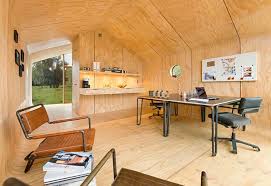
Tiny homes have become a social movement we can't ignore. People all over the world are choosing to downsize the space they live in for a happier life.
In the U.S., for instance, the typical American home is around 2,600 square feet, but the typical tiny home is only between 100 and 400 square feet. They come in all shapes, sizes, and forms, but they all have one thing in common: they allow simpler living in a smaller, more efficient environment.
People have joined this movement for many reasons, whether it be concerns over the environment or their own finances or the desire for more time and freedom. Most Americans spend one-third to one-half of their entire income on their homes, which means they spend 15 years working just to pay for it.
This has caused 76 percent of Americans to live paycheck to paycheck. But for what? People who turn to this movement are done trying to prove themselves. They just want a lifestyle that can make them feel good from the inside out.
The Cardboard Home
As mentioned above, tiny homes come in many forms. But have you heard of one made out of cardboard? While most people wouldn't think this type of material to be suitable for building a comfortable and safe abode, award-winning architects have discovered how to use it to produce remarkably sturdy and reliable shelters. Dutch design studio Fiction Factory has created a design for a tiny "micro home" using cardboard. Complete with a multitude of applications, such as disaster relief, they claim it can last up to 100 years.
Called the Wikkelhouse, or "wrapper house," the home is made of tough corrugated cardboard panels that adhere to each other with a non-toxic and environmentally-friendly glue.


