










Breaking News
 DIGGER | Official Trailer
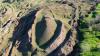 Noah's Ark resting place '100% confirmed' after 4,300 years as astonishing 'man-made
 White House Cancels Coverage For 750,000 ACA Enrollees, Citing Fraud
 Elon Musk Is Powering The American Renaissance
Top Tech News
 BEYOND THE MOON: NASA plans a nuclear-powered fleet to push DEEPER into space
 Big Oil Backs Mazama's $135 Million Bet On Superhot Geothermal
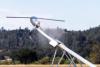 Quantum compass takes flight on Northrop's Lumberjack drone
 Terrifying AI Behavior Even Its Creators Couldn't Explain
 WW3 Near-Miss? AI Hallucinated Nuclear Weapons Components Aboard Chinese Vessel Bound For Iran
 Stripe Is Building the Toll Road for the Machine Economy
 Toyota Dakar hopeful swaps twin-turbo V6 for hydrogen fuel cells
 4-min turbo-inflatable cubic camp castle is now available in the USA
 Researchers Used Claude To Hack OpenAI Employee Accounts
 Chinese Scientists Develop New Oil Refining Method That Cuts Energy Use by 90%



The Skills That Will Really Matter After An Economic Meltdown
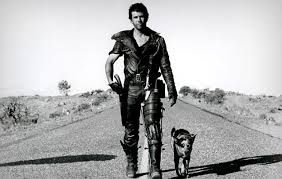
What is going to matter are skills. What goods or services can you provide that will be useful for others? During and after an economic meltdown, survival will be the challenge. The basics of food, shelter and clothing are obvious. Other skills will be extremely useful to travel, commerce, and aggressive defense.
The concept of private barter and alternative economies has been so far removed from our daily existence here in America that the very idea of participating in commerce without the use of dollars seems almost outlandish to many people. People sometimes forget that the smallest and most convenient storage space is in their own heads. If you find yourself in the midst of a disaster and you need to either build or fix something, having the necessary knowledge and skills in your mind instead of in a book will hugely benefit your ability to survive.
There's no way of telling quite how different life after a major disaster or serious collapse of society could be, but humans are remarkably resilient, so life would certainly go on.