










Breaking News
 DIGGER | Official Trailer
 Noah's Ark resting place '100% confirmed' after 4,300 years as astonishing 'man-made
 White House Cancels Coverage For 750,000 ACA Enrollees, Citing Fraud
 Elon Musk Is Powering The American Renaissance
Top Tech News
 BEYOND THE MOON: NASA plans a nuclear-powered fleet to push DEEPER into space
 Big Oil Backs Mazama's $135 Million Bet On Superhot Geothermal
 Quantum compass takes flight on Northrop's Lumberjack drone
 Terrifying AI Behavior Even Its Creators Couldn't Explain
 WW3 Near-Miss? AI Hallucinated Nuclear Weapons Components Aboard Chinese Vessel Bound For Iran
 Stripe Is Building the Toll Road for the Machine Economy
 Toyota Dakar hopeful swaps twin-turbo V6 for hydrogen fuel cells
 4-min turbo-inflatable cubic camp castle is now available in the USA
 Researchers Used Claude To Hack OpenAI Employee Accounts
 Chinese Scientists Develop New Oil Refining Method That Cuts Energy Use by 90%



CLOTHING INSULATED WITH AEROGEL PROMISES TO KEEP OUT THE MOST DIRE COLD
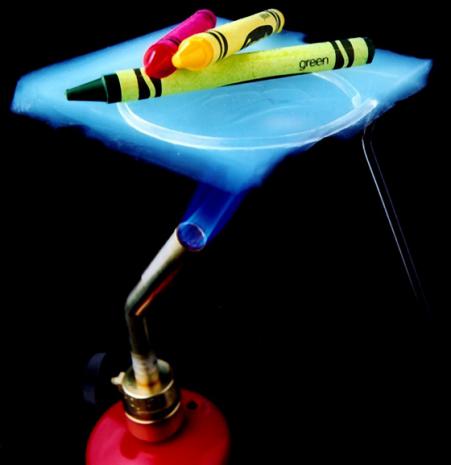
Aerogel is the material of the future— if you can make it work for you. The substance, a foam made of mostly air and either silica or carbon, is great for insulating, but it's traditionally been brittle and difficult to work with.
Lots of companies like The North Face and Champion can (and have tried to) use aerogel, but Oros (formerly called Lukla) is betting these larger companies think it's too much of a hassle to produce. The most famous example of this is Champion's 2010 summit of Mt. Everest, when they outfitted a Canadian mountaineer with a jacket seemingly as thin as a windbreaker to deal with extreme cold. The jacket never went into production, as they claimed it to be exorbitantly expensive.
Oros claims to have found a better way to produce aerogel, which insulates just as well as its more brittle counterparts, but is much easier to work with and doesn't rub off on the skin. Formerly, the substance needed to be contained within some kind of plastic or impermeable sealant to be used in clothing. Oros' flavor, called SolarCore Aerogel, does not.
Aerogel is 99 percent air, as the name implies. Our air's great ability to insulate does most of the work. NASA actually invented aerogel, and has been using it to insulate things like Mars rovers.
But Oros is putting this technology into jackets, gloves, and hats. By lining certain parts of the apparel with their flexible aerogel, which only absorbs a minute amount of heat, the clothing is able to better retain the heat made by the body. It's the dream of every winter clothing manufacturer— near-perfect heat retention.