










Breaking News
 The Economist Who Predicted 2008 Explains China's Endgame
 Charlie Kirk SNAPS at Anti White Masked ANTIFA
 Episode 488: THE FAUCI FIRESTORM
 Discussion with Glen Diesen
Top Tech News
 Voyager 1 approaches one light day from Earth
 Visual Implants
 Renewable Energy Breakthrough! World's Most Efficient Tesla Turbine System
 I Told You So
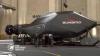 Meet Sunbird, a nuclear fusion-powered space tug concept from Pulsar Fusion.
 China and Russia launch 29-nation AI alliance to rival western control of technology
 BREAKING: China has begun manufacturing domestically developed Immersion Deep...
 Idaho's High Desert Becomes Hot Spot For Nuclear Power Revolution
 The World's Largest Electric Aircraft Is About to Take Its First Flight
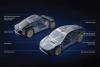 Tesla Cybercabs and Superchargers Will Act as Mini Cell Towers for SpaceX Starlink



The Air Force Wants A Universal Translator
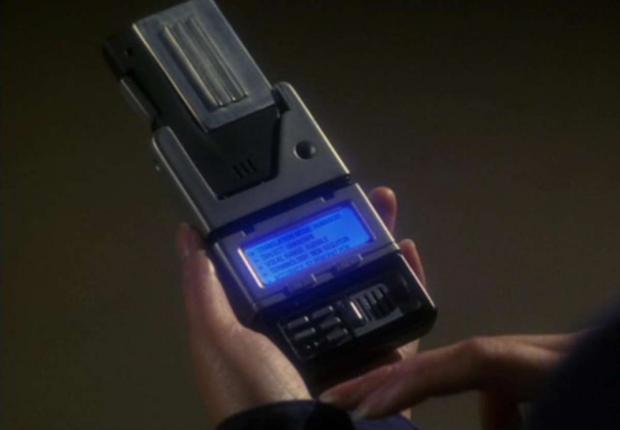
It's hard for a military to win hearts and minds if none of its members speak the local language. Humans who grew up speaking a language and joined the military are the best solution, followed closely by interpreters recruited locally. But that's not always possible, as there's sometimes a rarity of language speakers or a lack of safety guarantees for the interpreters. For this reason, the military wants a technology that can work as an interpreter in real time--a universal translator, if you will. Or perhaps a less-squirmy version of Douglas Adam's Babelfish. Last week, the Air Force Research Laboratory put out a solicitation for such a device. They're calling it, simply "Human Language Technologies."